Tennessee Dive Bar Shirts – Vintage Memphis Blues & Nashville Honky Tonk Apparel
Collection of shirts featuring Tennessee’s historic neighborhood taverns, delta blues dives, and back-alley cash-only institutions. Graphic designs center on regional music sub-cultures, historic speakeasies, and authentic local typography.
Tennessee Dive Bars
Tennessee Dive Bars
Tennessee Dive Bars
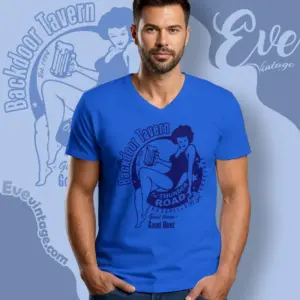
Tennessee Dive Bars
The Real Infrastructure of Tennessee’s Music and Labor Sinks
Tennessee’s drinking culture is anchored by two distinct urban poles: the delta blues and river trade history of Memphis, and the rail-line, country music industry roots of Nashville. Away from the commercialized tourist stages of Lower Broadway, the state's authentic dive bars function as preservation sites for local history. These venues are structurally defined by windowless facades, decades of tobacco-cured plaster, laminate counters, and original mechanical or vinyl jukeboxes that have survived urban restructuring, seasonal floods, and shifting neighborhood demographics.
The visual identity of Tennessee bar apparel rejects polished corporate design. The graphics incorporate elements from mid-century neon signage, local culinary staples served on wax paper, and historical references to the state's underground speakeasy era, preserving the raw material history of the region's blue-collar sanctuaries.
Historical Establishments in the Volunteer State
The following real-world venues define the historical landscape of Tennessee's nightlife and serve as the direct reference material for regional graphic apparel:
- Nashville (Springwater Supper Club & Lounge): Operating at 115 27th Avenue North since 1896, this Midtown cinderblock structure is recognized as Tennessee’s oldest continuously operating bar. It functioned as a subterranean speakeasy during Prohibition and later evolved into a foundational venue for the city's independent rock and punk sub-cultures, maintaining an unaltered interior with a minimalist stage and drop ceilings.
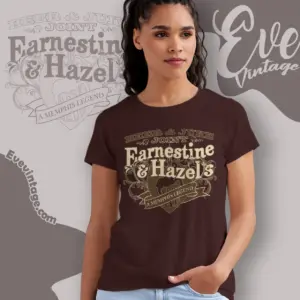
- Memphis (Earnestine & Hazel's): Located on South Main Street, this two-story brick building has operated as a pharmacy, a jazz café, and a brothel since the late 1800s. It is globally recognized for its "Soul Burger"—a specific thin-patty burger prepared on a seasoned flat-top grill and served strictly on wax paper—and its interior walls which remain unpainted, retaining decades of smoke patina.
- East Nashville (Dino's Bar): Established in 1929, Dino's is Nashville's oldest dive bar, located on Gallatin Avenue. It completely rejects modern lifestyle trends, preserving a layout of basic vinyl booths, wood-paneled walls, and a kitchen menu centered on classic flat-top cheeseburgers and cold domestic beer served alongside animal crackers.
- Memphis (Alex's Tavern): Founded in 1953 by Greek immigrant Alex Kasaftes on Jackson Avenue, this is Memphis's oldest family-owned tavern. It remains a cash-only, windowless venue lit exclusively by neon beer signs and dual vintage jukeboxes. The establishment is structurally tied to the regional use of Cavender’s Greek Seasoning on its charbroiled burgers and wings.
Tennessee Drinking Culture & Design Context
What is the cultural significance of the "Soul Burger" on Memphis bar shirts?
The Soul Burger graphic refers directly to the culinary staple of Earnestine & Hazel's. It represents a rejection of gourmet food trends, focusing instead on a specific flat-top cooking method and minimalist presentation on wax paper. Including this element in shirt graphics denotes an authentic knowledge of Memphis labor and nightlife history rather than generic musical tropes.
Why is the year 1896 historically relevant to Nashville apparel?
The year 1896 marks the opening of the Springwater Supper Club, established originally to serve construction crews and travelers attending the Tennessee Centennial Exposition. Referencing this specific date on apparel highlights Nashville's deep-rooted, non-commercial tavern history that predates the modern country music tourism boom by several decades.
How do Tennessee bar shirt graphics differ visually between Memphis and Nashville styles?
Memphis-themed graphics lean heavily on the visual language of the Mississippi Delta: weathered textures, stenciled fonts from industrial river ports, and color palettes dominated by deep blues, charcoal, and neon reds. Nashville-themed dive graphics favor bold, mid-century wood-block typography, references to off-strip neon road signs, and muted tones like mustard yellow, tobacco brown, and cream, reflecting the city’s early publishing and radio heritage.