Maryland Dive Bar Shirts
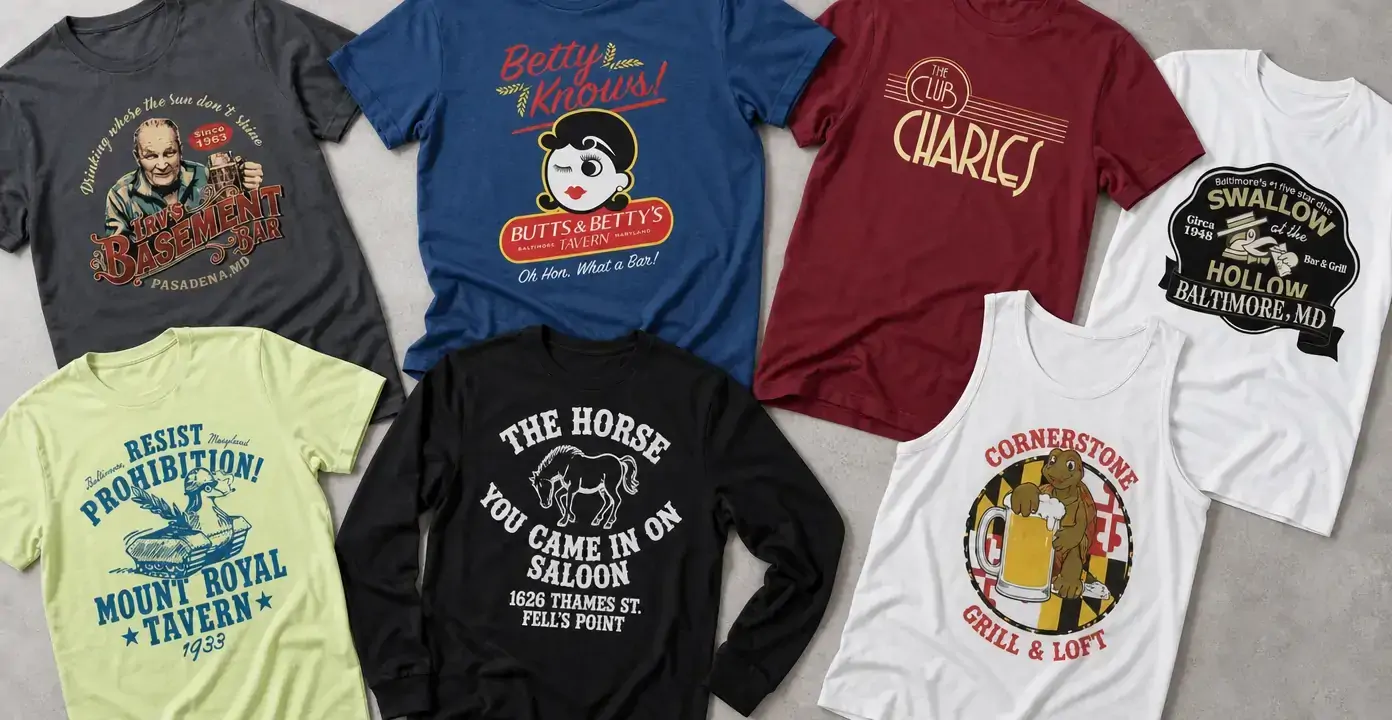
Maryland dive bar shirts turn neighborhood taverns, waterfront pubs and basement bars into bold local graphics. The collection leans heavily into Baltimore and Fells Point while extending to places such as Pasadena and Annapolis, with venue names framed by retro scripts, saloon lettering, mascots and sign-inspired emblems. Each design emphasizes the personality of a particular establishment rather than a generic nightlife theme.
Maryland Dive Bars
Maryland Dive Bars
Maryland Dive Bars
Maryland Dive Bars
Maryland Dive Bars
Maryland Dive Bars
Maryland Dive Bars
Maryland Dive Bars
Maryland Dive Bars
Maryland Dive Bars
Maryland Dive Bars
Maryland bar culture, one sign at a time
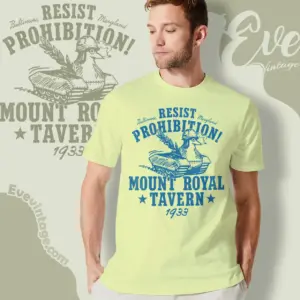
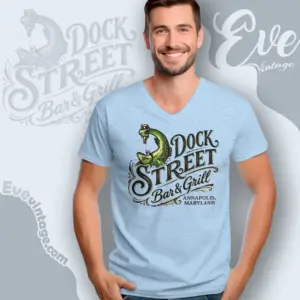
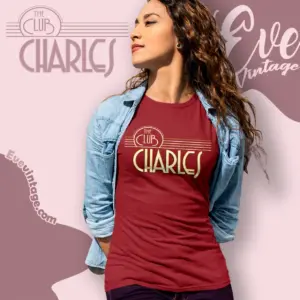
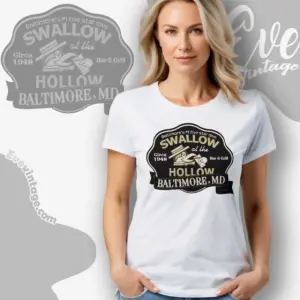
The defining subject here is the individual venue. Maryland dive bar tees commonly place a bar name at the center, then use a neighborhood, city, street reference or house slogan to give the graphic a precise local identity. That structure makes the designs feel closer to remembered tavern signs and staff shirts than generalized beer apparel. Baltimore establishments form a major part of the observed collection, including Mount Royal Tavern, The Club Charles and Swallow at the Hollow.
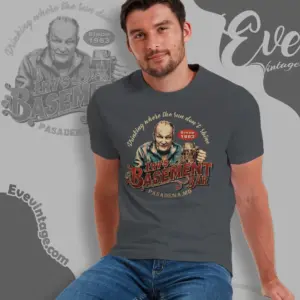
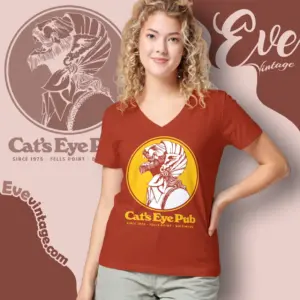
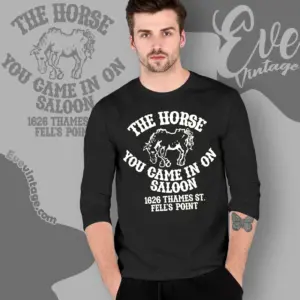
Fells Point introduces a distinct waterfront thread through names such as Cat’s Eye Pub and The Horse You Came In On Saloon. Elsewhere, Irv’s Basement Bar carries a Pasadena reference, while Dock Street Bar & Grill points toward Annapolis. Together, these locations broaden the category beyond one Baltimore neighborhood, much as Washington DC dive bars extend the regional picture, without losing its Maryland focus.
From neon-style type to tavern mascots
The graphics divide into several recognizable directions. Some are primarily typographic: The Club Charles design uses streamlined geometric lettering with an Art Deco character, while The Horse design relies on rough Western-style type and a bucking-horse emblem. Others resemble old commercial badges, combining curved names, banners and compact location text into a mark that reads clearly from a distance.
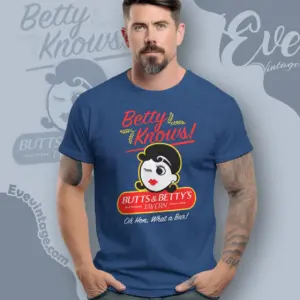
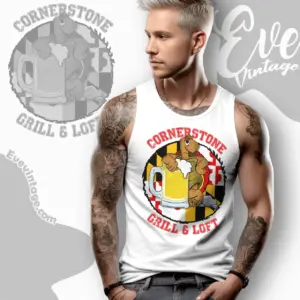
Illustrated designs create a more playful barroom identity. The sampled artwork includes a winking character, a pelican-like bird emblem, a cat-and-fish image, a beer mug and a tank-riding animal. These are not interchangeable decorations; each functions as the visual shorthand for a particular establishment. Color also changes the mood, from restrained cream lettering on burgundy to bright primary colors and intentionally worn two-color printing.
Choosing a design direction
For a cleaner look, focus on shirts led by a venue name, simple linework and limited colors. Mascot graphics and slogan-based compositions have more of a novelty-sign character, while distressed ink, arched lettering and shield-like layouts produce a vintage tavern feel. Location text offers another useful distinction: a Baltimore or Fells Point reference makes the neighborhood connection explicit, whereas Pasadena and Annapolis designs highlight other parts of the state’s local bar landscape.
Across these approaches, the common link is specificity. The strongest Maryland dive bar graphics preserve the quirks of a named pub, saloon or corner tavern through its lettering, emblem and sense of place.