Colorado Dive Bar Shirts
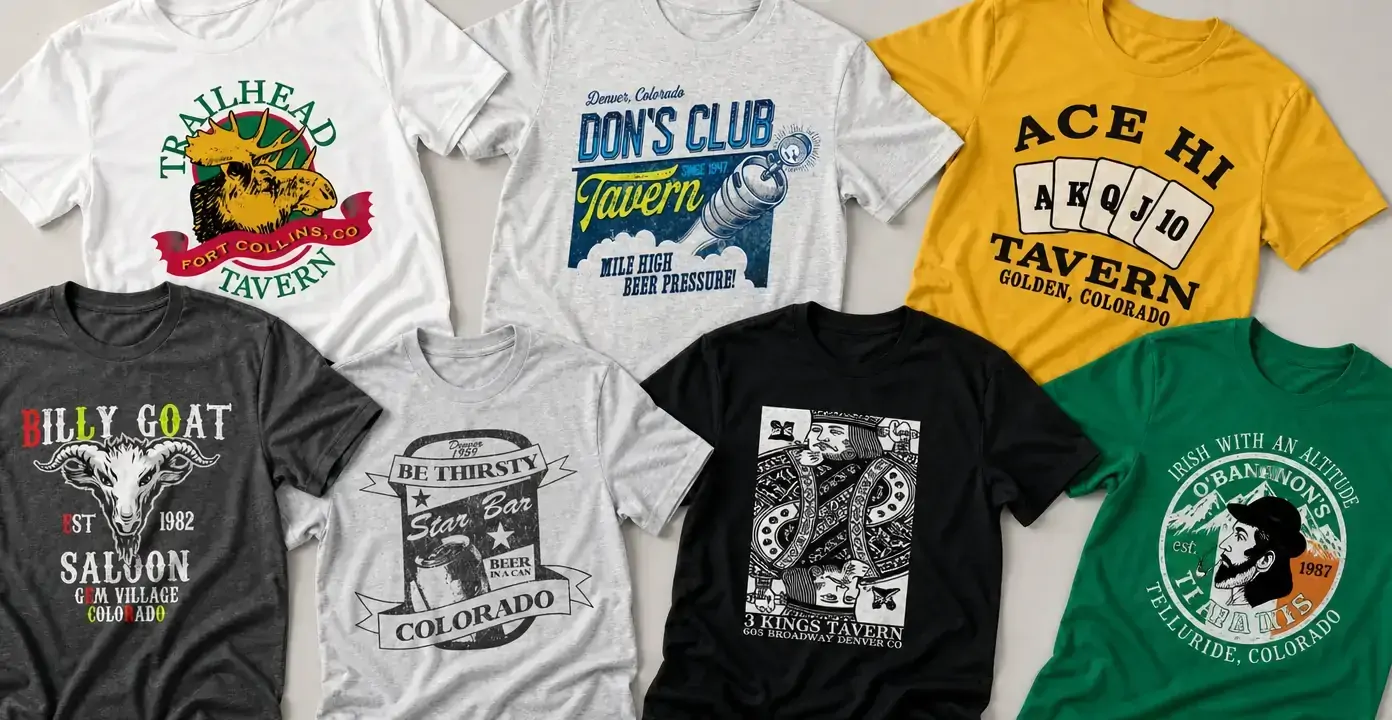
Colorado dive bar shirts turn the names and visual character of local taverns, saloons, pubs, and music rooms into venue-centered graphics. The designs range from Denver bar emblems and Golden playing-card artwork to high-country saloon mascots and Telluride pub crests, using distressed lettering, banners, beer imagery, and mountain references to distinguish each kind of Colorado watering hole.
Colorado Dive Bars
Colorado Dive Bars

Colorado Dive Bars
Colorado Dive Bars
Colorado Dive Bars
Colorado Dive Bars
Colorado Dive Bars

Colorado Dive Bars

Colorado Dive Bars

Colorado Dive Bars

Colorado Dive Bars

Colorado Dive Bars

Colorado Dive Bars

Colorado Dive Bars
Colorado bar graphics from city streets to mountain towns
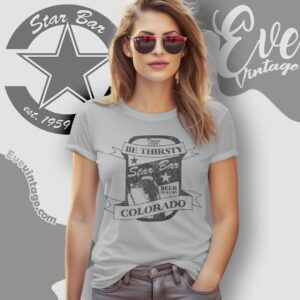
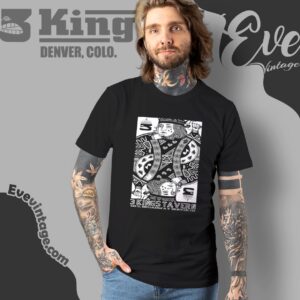
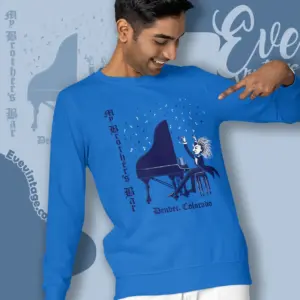
This category is organized around named establishments rather than a generic beer-and-mountains theme. Denver designs draw from bars and gathering places such as My Brother’s Bar, Don’s Club Tavern, Star Bar, and 3 Kings Tavern. Their artwork can lean toward compact neighborhood-bar marks, beverage advertising, or the bolder black-and-white language associated with a music venue. Because 3 Kings Tavern is a former Denver venue, its name carries a different context from that of a currently operating neighborhood bar.
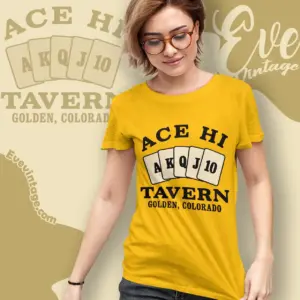
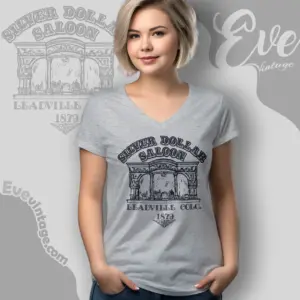
Outside Denver, place names become a major part of the design. Ace Hi Tavern connects its playing-card graphic to Golden, while Silver Dollar Saloon represents the saloon side of Leadville’s visual identity. Telluride references include O’Bannon’s Irish Pub, whose design combines a pub crest, green-and-orange color, and mountain imagery. Other shirts name communities such as Fort Collins and Rico, although a printed location or date should be understood as part of the individual artwork rather than a complete account of a venue’s history or present status.
Tavern, saloon, pub, and music-room styles
Tavern graphics often resemble old beverage signs or league emblems: large venue names, curved scripts, stars, ribbons, and simple objects such as cards or cans. They tend to feel local and direct, with the town name acting almost like a maker’s mark.
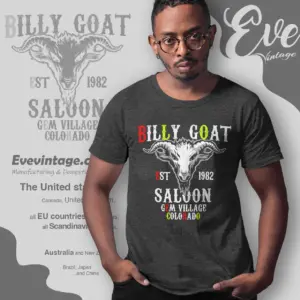
Saloon designs use a rougher Western vocabulary. Animal heads, slab-serif lettering, dark shirt colors, and weathered textures suggest a high-country or mining-town atmosphere without requiring an elaborate scenic illustration. The Billy Goat artwork is an example of this mascot-led direction, while Silver Dollar Saloon offers a venue name naturally suited to vintage sign styling.
Pub and music-venue designs move in different directions. Pub artwork may use circular crests, heraldic color, or playful character illustration. Music-room graphics can be starker and more poster-like, as seen in the monochrome playing-card composition used for 3 Kings Tavern.
Choosing by graphic character
For a classic bar-sign look, focus on centered typography, banners, and limited-color printing. Mascot graphics create a more illustrative focal point, while cards, cans, and other compact symbols make the design read like a house emblem. Location-forward shirts place Denver, Golden, Leadville, Telluride, or another Colorado community directly in the composition, making the relationship between venue and place the defining feature.