North Carolina Dive Bar Shirts
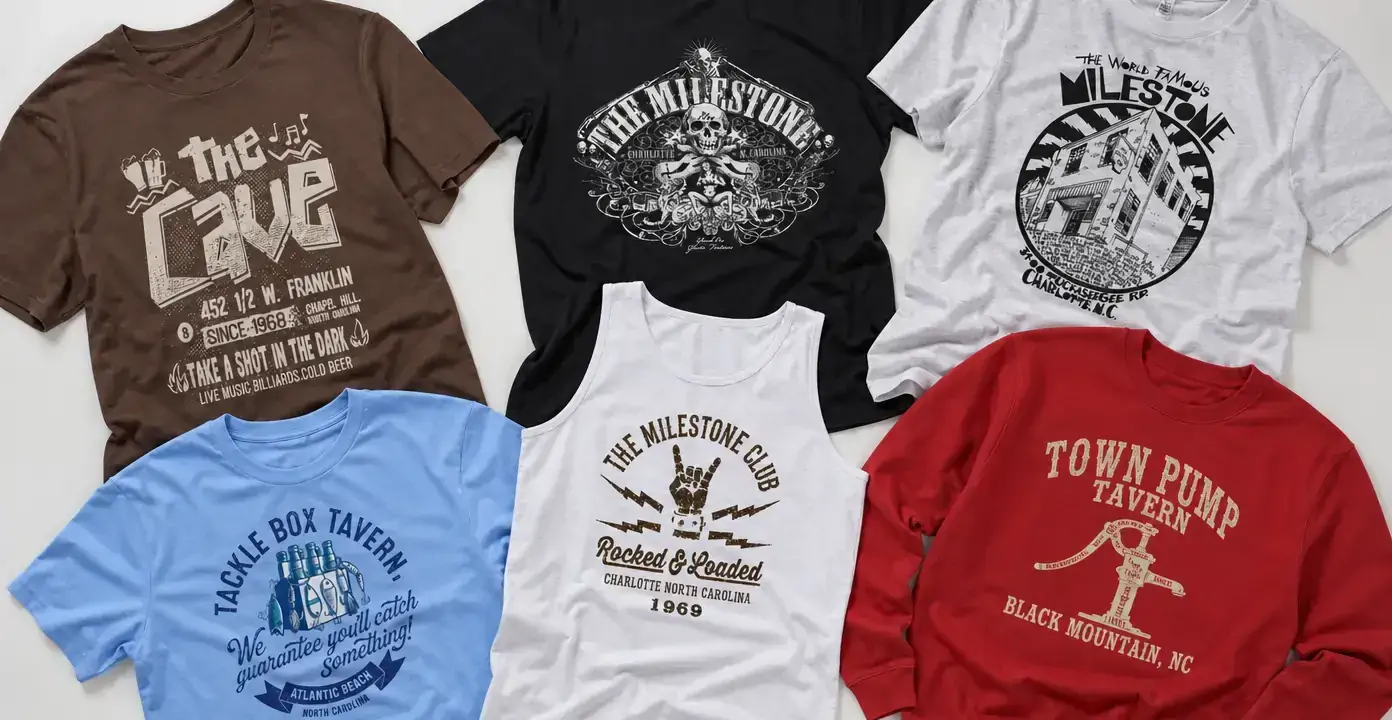
North Carolina dive bar shirts feature named taverns, rock clubs, and independent music venues from Charlotte, Chapel Hill, Black Mountain, and Atlantic Beach. The graphics range from distressed venue lettering and monochrome club imagery to building illustrations, local place references, and coastal bottle-and-fish motifs, giving shoppers several ways to choose a shirt tied to a recognizable North Carolina bar or performance space.
North Carolina Dive Bars
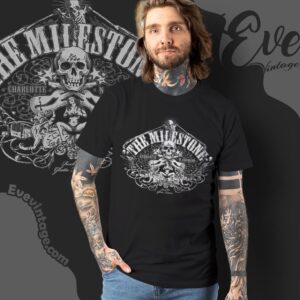
Vintage The Milestone Charlotte Rock Club Shirt – NC Dive Bar Tee
North Carolina Dive Bars
North Carolina Dive Bars
North Carolina Dive Bars
North Carolina Dive Bars
North Carolina Dive Bars
North Carolina Dive Bars
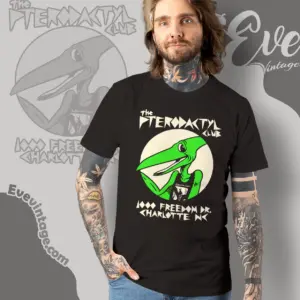
Chalotte Pterodactyl Club Shirt – North Carolina Dive Bar Tee
North Carolina bars with distinct graphic identities
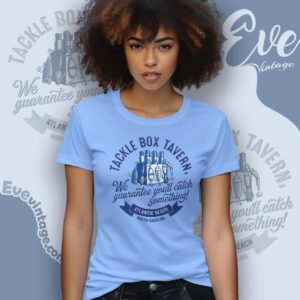
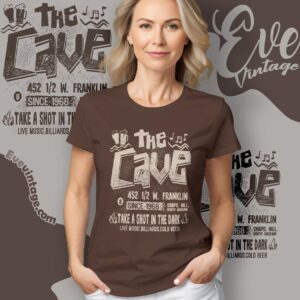
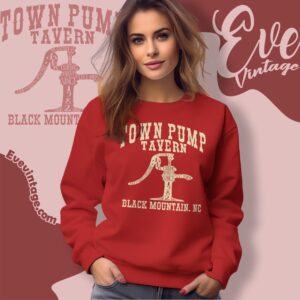
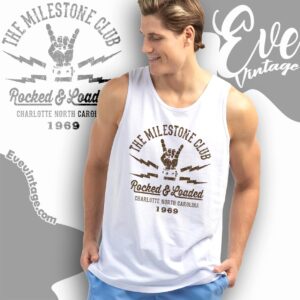
This category centers on named North Carolina establishments rather than generic drinking slogans. The Milestone in Charlotte and The Cave in Chapel Hill connect local-bar style with longstanding live-music culture. Town Pump represents a Black Mountain bar and performance space, while Tackle Box Tavern brings a no-frills Atlantic Beach setting to the collection.
These venue relationships shape the artwork. Music-oriented designs use distressed lettering, monochrome imagery, venue emblems, and illustrations of the buildings themselves. Coastal graphics introduce bottles, fish motifs, and prominent Atlantic Beach identification. City names, state references, and street details further connect each graphic to a specific North Carolina location.
The Milestone and The Cave shirts
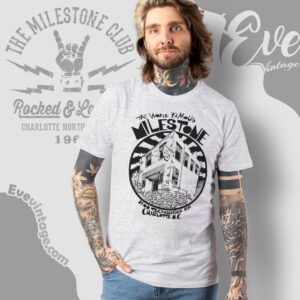
The Milestone Charlotte shirts draw on the identity of a long-running live-music club commonly associated with the city’s dive-bar culture. Available designs range from dense rock-club compositions to architectural treatments and weathered venue marks. They suit shoppers looking for either a Charlotte dive bar shirt or a graphic tied more specifically to an independent music venue.
The Cave Chapel Hill shirts emphasize bold lettering, dark monochrome treatments, and music-related imagery. As a longtime beer and live-music bar with dive-bar characteristics, the venue fits naturally within both North Carolina bar apparel and local music culture. Its place-specific graphics distinguish these shirts from designs built around generalized nightlife themes.
Town Pump and Tackle Box Tavern designs
Town Pump shirts feature Black Mountain identification and prominent bar lettering. The establishment is supported as a bar and music venue, so its apparel belongs comfortably beside the category’s rock-club designs without requiring a definitive dive-bar label.
Tackle Box Tavern shirts offer the clearest coastal variation. Atlantic Beach wording, bottle graphics, and fish imagery create a casual maritime emblem while retaining the specificity of a named local tavern. This makes them a distinct alternative to the darker visual language associated with the music venues.
Choosing a vintage North Carolina bar graphic
Choose a building illustration or street reference when the venue and location matter most. Distressed typography and monochrome emblems create a vintage bar-sign or concert-shirt feel, while coastal motifs provide a lighter visual direction. Comparing these designs with South Carolina Dive Bars highlights a nearby regional approach, but the defining feature remains local specificity: each design connects North Carolina bar or music culture to a recognizable establishment and community.