Michigan Dive Bar T-Shirts
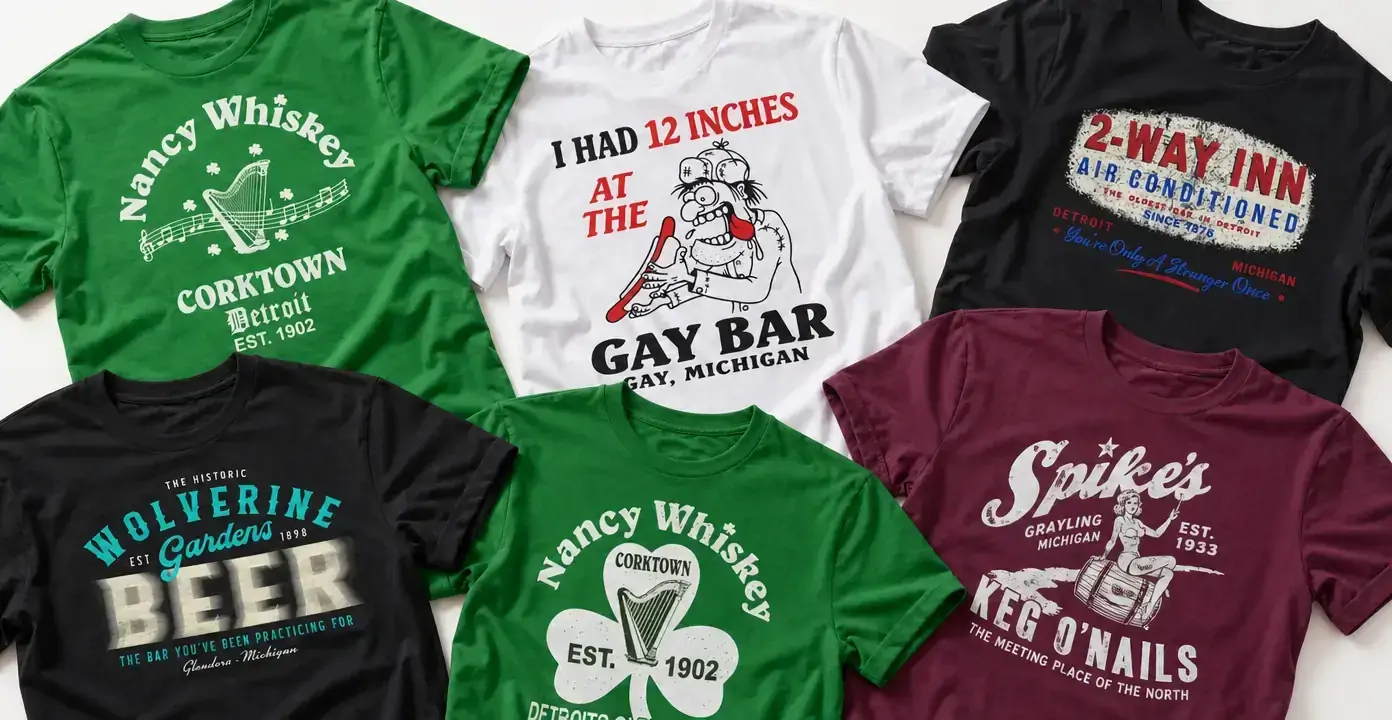
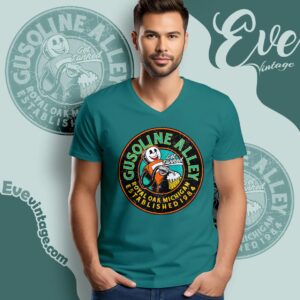
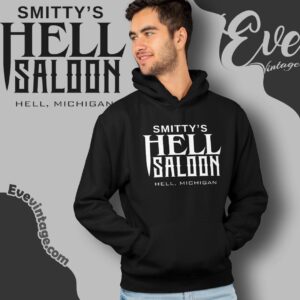
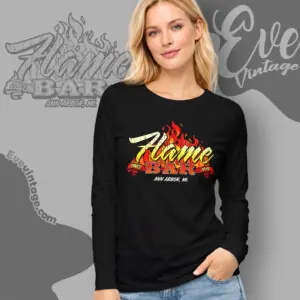
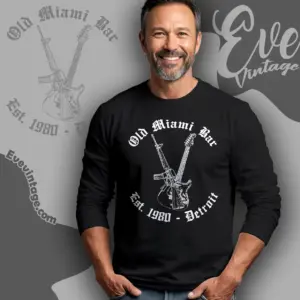
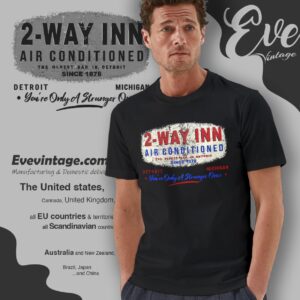
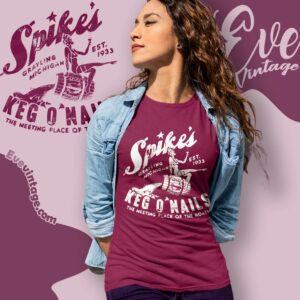
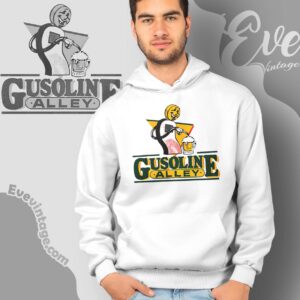
Michigan dive bar T-shirts turn neighborhood tavern identity into wearable graphics, with designs tied to Detroit, Corktown, Royal Oak, Grayling, Hell, and other local settings. The collection centers on named establishments such as Nancy Whiskey, Two Way Inn, The Old Miami, and Gusoline Alley, using vintage sign lettering, bar slogans, founding-year treatments, and playful illustrations that recall the personality of a well-worn local.
Michigan Dive Bars

Michigan Dive Bars
Michigan Dive Bars
Michigan Dive Bars

Michigan Dive Bars

Michigan Dive Bars
Michigan Dive Bars
Michigan Dive Bars
Michigan Dive Bars
Michigan Dive Bars
Michigan Dive Bars
Michigan Dive Bars
Michigan tavern identity in graphic form
A Michigan dive bar shirt often works like an old sign carried beyond the barroom. The venue name takes priority, while a city, neighborhood, founding year, or familiar slogan supplies the local connection. That formula can represent a Detroit institution, a Corktown gathering place, a Royal Oak bar, or a tavern associated with a smaller Michigan community without reducing every design to the same generic beer graphic, unlike the more escapist imagery often associated with Michigan tiki bar shirts.
Detroit-area establishments form a prominent part of this collection. Two Way Inn dates to 1876 and is widely regarded as Detroit’s oldest bar. Nancy Whiskey, established in 1902 in Corktown, is safer described as one of the city’s oldest bars or by its familiar “Detroit’s oldest party” identity; calling it the undisputed oldest bar would overlook competing claims. The Old Miami offers a different reference point: it opened on Cass Avenue in 1980 as a Vietnam veterans’ bar. Together, these names show how bar-shirt graphics can reflect different neighborhoods, generations, and forms of local recognition.
From heritage emblems to barroom humor
The most traditional designs borrow the visual structure of tavern windows, painted signs, coasters, and matchbook covers. Arched lettering, large scripts, distressed ink, compact crests, and prominent dates give the artwork an established, sign-like character. Nancy Whiskey designs can pair Corktown wording with shamrocks, a harp, ornamental lettering, or green fabric, creating a recognizable neighborhood-and-venue combination.
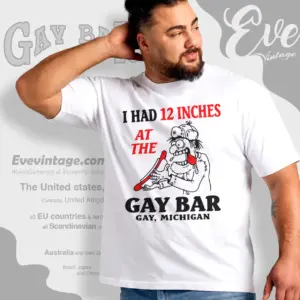
Other shirts take a more direct approach. Bold block type can make a bar name read like a roadside sign, while illustrated characters and punchlines lean into the irreverent humor associated with casual drinking spots. Designs for places outside central Detroit broaden the geographic character through town names and bar-specific slogans. The useful distinction is between heritage-inspired venue artwork and a design that treats the bar as the setting for a joke.
Choosing a design direction
- Venue-first graphics emphasize the establishment name and suit someone looking for a specific local reference.
- Neighborhood designs give Corktown, Detroit, Royal Oak, or another Michigan place a visible role in the composition.
- Heritage treatments use dates, crests, scripts, and weathered printing to resemble older tavern ephemera.
- Novelty artwork favors cartoons, punchlines, and oversized lettering over historical presentation.
These approaches capture different sides of Michigan bar culture: long-running neighborhood identity, town-specific familiarity, and the unpolished humor that gives an individual watering hole its personality.