Indiana Dive Bar Shirts
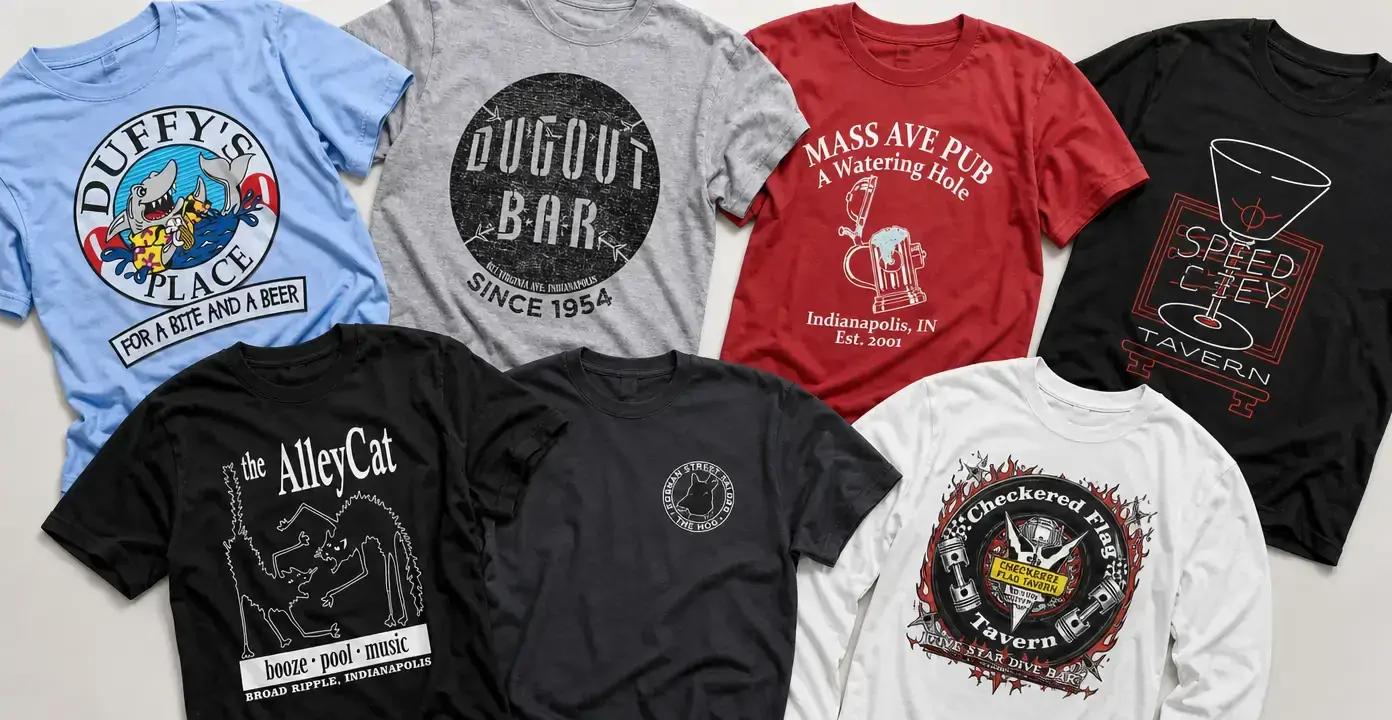
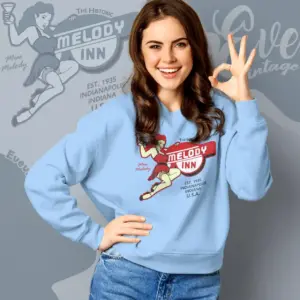
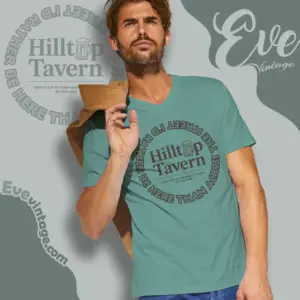
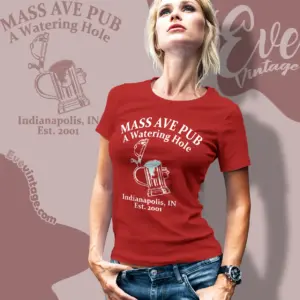
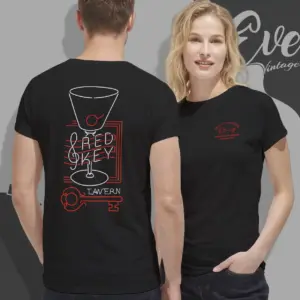
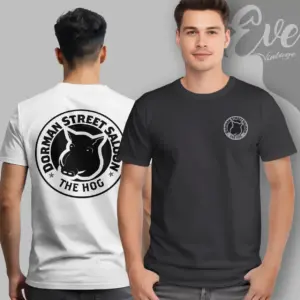
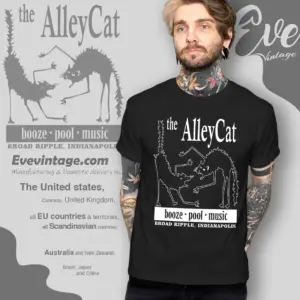
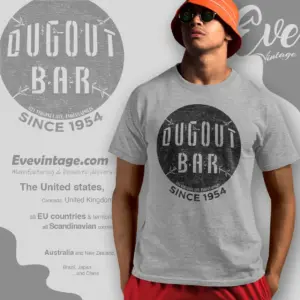
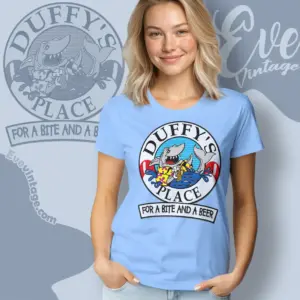
Indiana dive bar shirts turn neighborhood taverns, pubs, lounges, saloons, and music rooms into place-specific graphics. The collection is especially rooted in Indianapolis, with designs referencing familiar districts and local watering holes alongside bars in communities such as Valparaiso and Noblesville. Retro wordmarks, distressed badges, neon-style linework, mascots, and racing imagery give each establishment a distinct visual identity.
Indiana Dive Bars
Indiana Dive Bars
Indiana Dive Bars
Indiana Dive Bars
Indiana Dive Bars
Indiana Dive Bars
Indiana Dive Bars
Indiana Dive Bars
Indiana Dive Bars
Indiana Dive Bars
Indiana Dive Bars
Indiana Dive Bars
Indiana Dive Bars
Indiana Dive Bars
Local bar graphics with an Indiana address
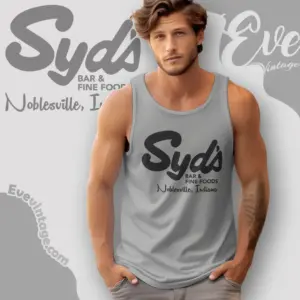
The defining feature of an Indiana dive bar shirt is specificity. A venue name, city line, neighborhood reference, or distinctive phrase can carry more local character than a generic bar graphic. Indianapolis is the strongest thread in the observed collection, from Mass Ave and Broad Ripple references to tavern, pub, lounge, saloon, and music-oriented identities. Designs tied to Valparaiso and Noblesville broaden that perspective beyond the capital.
Those location details also change how a shirt reads. A prominent city name creates an unmistakable Indiana souvenir-style graphic, while a small address line or neighborhood label offers a more understated look. Some compositions place the establishment name above everything else; others use a mascot, sign, or emblem as the main point of recognition.
From neon wordmarks to illustrated bar emblems
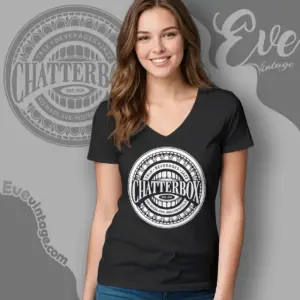
Indiana bar shirts in this category follow several distinct visual directions. Typography-led designs use script lettering, condensed type, or arched pub-style names to evoke venue signage. Circular badges create the compact look of a coaster, window decal, or embroidered patch, while distressed treatments add a worn, vintage-inspired finish.
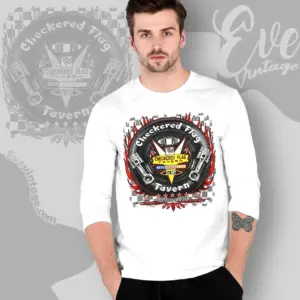
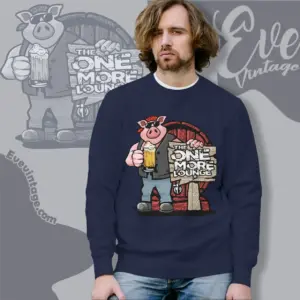
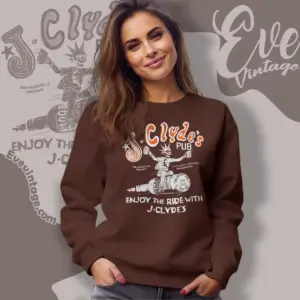
More pictorial designs build identity through a specific motif. Samples include key-shaped neon linework, loose character illustration, colorful mascot art, and racing graphics with flags, pistons, and mechanical details. These are meaningfully different choices: some foreground the bar name, while others lead with humor, nightlife, music, or an Indianapolis motorsports theme.
Tavern, pub, lounge, or saloon
The venue wording provides another way to browse. Tavern, pub, lounge, saloon, bar, and jazz-club names appear across graphics ranging from simple wordmarks to crests, signs, mascots, and nightlife-inspired illustrations. For a quieter option, choose a design led by compact type or a small location line. For a bolder souvenir graphic, look for an illustrated character, prominent badge, neon-style motif, or racing emblem.
Color creates a final useful distinction. Black, white, gray, and red support high-contrast signage and distressed marks, while brighter blues and multicolor illustrations make mascot graphics more prominent. The collection can therefore be explored by Indiana place, venue type, and visual style without implying that every design follows the same formula.