Massachusetts Dive Bar Shirts
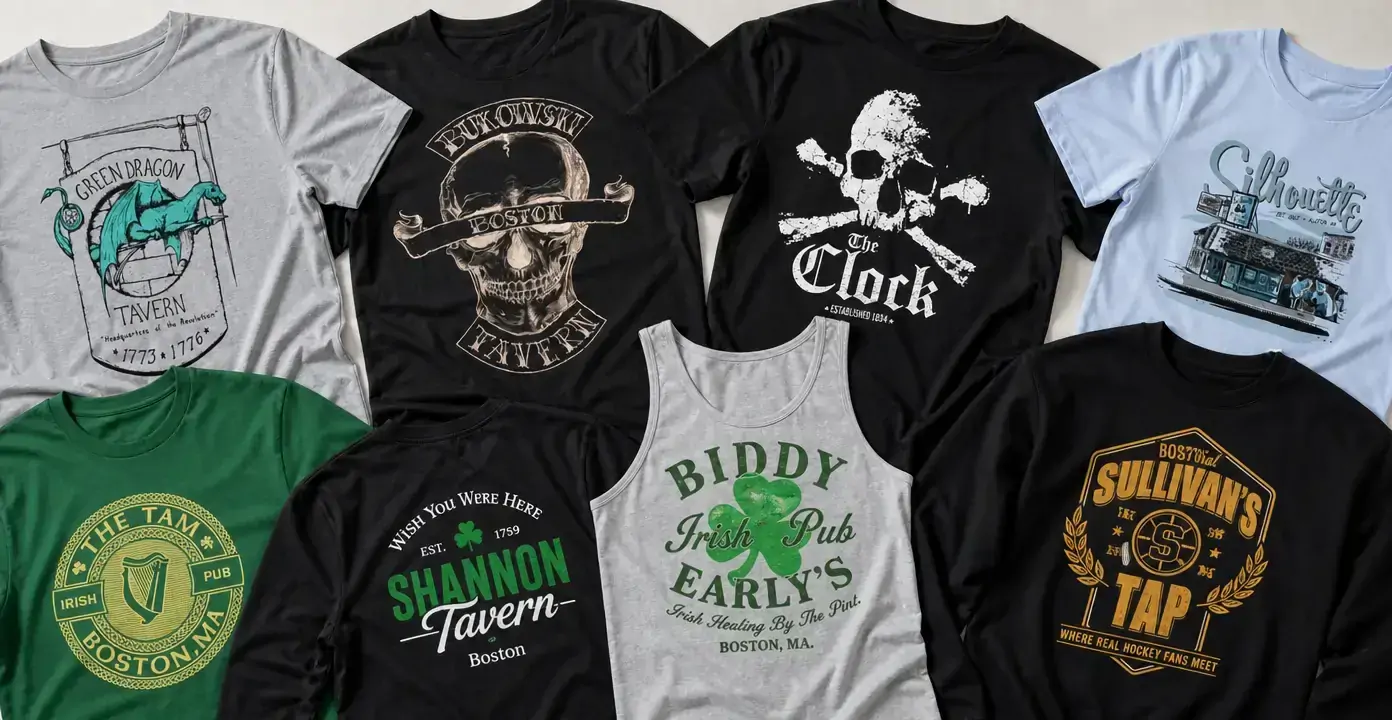
Massachusetts dive bar shirts translate local taverns, pubs, taps, and lounges into graphics built around memorable signs and neighborhood identity. The observed designs lean strongly toward Boston while also reaching Cambridge, Allston, and Hull, with styles ranging from green Irish pub emblems and illustrated storefronts to distressed badges, nautical references, and dark skull-driven artwork.

Massachusetts Dive Bars
Massachusetts Dive Bars
Massachusetts Dive Bars
Massachusetts Dive Bars
Massachusetts Dive Bars
Massachusetts Dive Bars
Massachusetts Dive Bars

Massachusetts Dive Bars
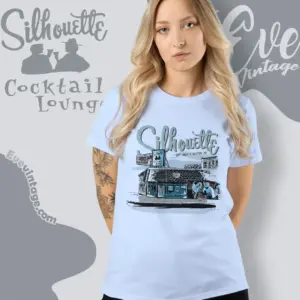
Massachusetts Dive Bars
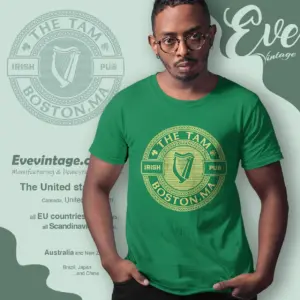
Massachusetts Dive Bars
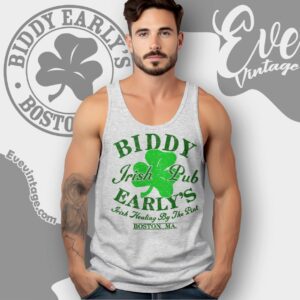
Massachusetts Dive Bars
Massachusetts bar graphics with a local point of view
This category is organized around individual drinking spots rather than a single statewide look. Boston supplies much of the observed subject matter, while Cambridge, Allston, and Hull extend the range to other neighborhood and coastal settings. Venue wording also shapes the artwork: a tavern design may resemble an old hanging sign, while a tap can favor a compact badge and a lounge may be represented through storefront-inspired artwork.
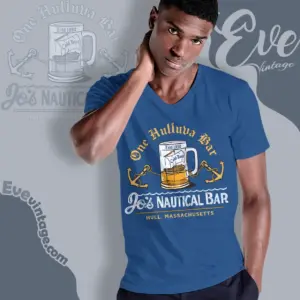
That specificity gives Massachusetts dive bar shirts a different character from generic beer graphics. Names such as The Plough and Stars, Silhouette Lounge, The Tam, and Jo’s Nautical Bar connect the designs to Cambridge, Allston, Boston, and Hull. Together, these shirts emphasize local recognition, venue names, sign design, and the distinct visual personality suggested by each bar, pub, tavern, or lounge.
From Boston Irish pub crests to darker dive-bar art
Irish pub shirts form one clear direction among the Boston designs. The Tam and Biddy Early’s graphics use details such as green palettes, shamrocks, harps, knotwork, seals, and traditional lettering. Some compositions are bold and symmetrical, while others use simpler script or smaller chest marks for a quieter pub-logo look.
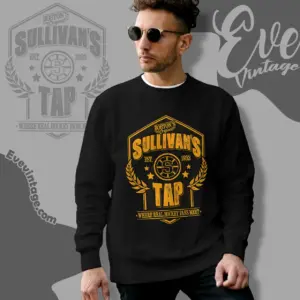
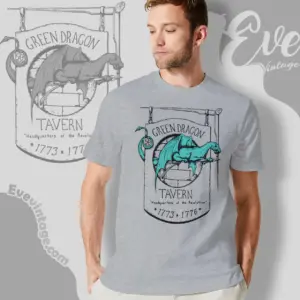
Another direction draws on weathered tavern signage. Distressed ink, banners, serif lettering, stars, wreaths, and shield-like frames can make a graphic resemble a painted window or aging wall sign. Illustrated storefronts and hanging signs offer a more place-centered alternative, emphasizing the appearance of a neighborhood spot rather than relying on a formal crest.
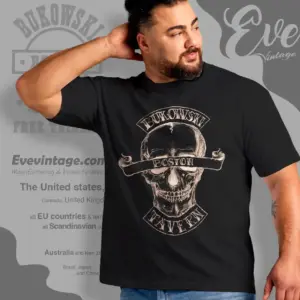
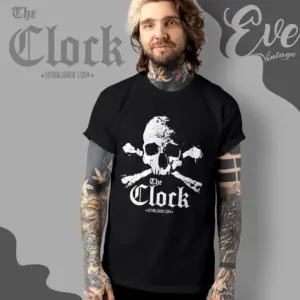
The darkest designs move away from traditional pub symbols. Skulls, black grounds, stark white printing, and arched display type give some Boston tavern shirts a punk, tattoo-inspired, or underground-bar edge. These graphics feel deliberately rougher than the green pub treatment, even when both approaches use vintage-style typography.
Choosing a Massachusetts dive bar shirt
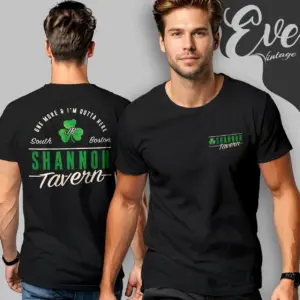
Start with the connection that matters most: a named bar, a Massachusetts community, or a particular visual mood. Storefront illustrations foreground place, while crests and badges deliver a classic tavern-logo composition. Nautical motifs suit coastal references such as Hull, and skull graphics provide the strongest dark dive-bar attitude. Composition offers another useful distinction: choose a large centered emblem for a prominent statement or a smaller chest mark for a more restrained treatment. Across these variations, the unifying idea is Massachusetts neighborhood bar identity expressed through names, typography, symbols, and sign-inspired artwork.