
Vermont Dive Bar Shirts – Vintage Green Mountain Tavern & Quarry Town Graphics
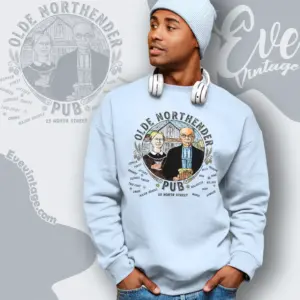
Collection of shirts featuring Vermont’s rural crossroads taverns, historic granite-worker saloons, and original backcountry ski-bum joints. Graphic designs focus on New England colonial architecture, winter survival shelters, and unpasteurized local typography.

Vermont Dive Bars
Vermont Dive Bars
The Material History of New England Woodstoves, Granite Quarries, and Mountain Refuges
Vermont’s drinking landscape is structurally shaped by its isolated rural geography, severe northern winters, and primary labor sectors—specifically dairy farming, logging, and granite quarrying in regions like Barre. Historically, taverns here operated as literal thermal refuges. Built with low ceilings to trap heat, these venues relied heavily on central cast-iron woodstoves, dark cedar paneling, and thick fieldstone foundations to withstand sub-zero temperatures. Unlike the expansive roadside honky-tonks of the South or the industrial concrete bunkers of the Midwest, Vermont dive bars are architecturally compact, often retrofitted from 19th-century general stores, grist mills, or old farmsteads.
The visual identity of Vermont bar apparel reflects this utilitarian New England framework. Graphics avoid high-gloss neon or flashing bulb aesthetics, leaning instead into the muted tones of weathered barns, antique wood-block printing, and regional industrial trade stamps. The imagery captures a distinct cultural intersection where early 20th-century logging and farming traditions met the 1970s influx of backcountry ski pioneers and maple syrup producers, creating a raw, counter-cultural mountain identity that is fiercely independent.
Historic Watering Holes of the Green Mountain State
The following real-world venues represent the foundational history of Vermont's nightlife and serve as the direct reference points for regional graphic apparel:
- Burlington (The Other Place / "The OP"): Located on North Winooski Avenue, this venue is the definitive urban neighborhood dive in northern Vermont. It features a windowless facade, a strictly utilitarian laminate counter, a vintage popcorn machine, and a historic refusal to adopt the high-end craft beer aesthetic prevalent in the rest of the city, maintaining a menu centered on domestic cans and local hard ciders.
- Manchester (Ye Olde Tavern): Built in 1790, this landmark represents the pre-Prohibition, colonial tavern roots of New England. Originally hosting the Green Mountain Boys and early state legislators, the structure preserves its original uneven wide-plank pine floors, low overhead clearances, and historic black-painted brick fireplaces.
- Barre (Gusto's Bar): A historic blue-collar anchor situated in the granite-quarrying capital of the region. This establishment has served generations of stone cutters, quarry laborers, and industrial tradesmen. The interior is characterized by traditional pool tables, local sports league plaques, and an unpretentious atmosphere that completely rejects modern tourism trends.
- Stowe (The Matterhorn): Operating along the Mountain Road, this venue established its reputation in the mid-20th century as a rugged aprés-ski dive for ski patrollers, lift mechanics, and winter trail-breakers long before the commercial expansion of luxury alpine resorts. The historical aesthetic centers on vintage wooden ski equipment and heavy wool outerwear.
Vermont Drinking Culture & Design Context
What defines the typography used in Vermont tavern graphic designs?
The typography is inspired by 18th and 19th-century New England broadsides, town hall deeds, and antique wooden printing presses. These designs rely on condensed serif typefaces, stenciled block letters historically used by lumber yards, and tight letter-spacing that mirrors hand-carved wooden exterior signage.
Why do woodstoves and heavy flannel textures reappear in these shirt graphics?
These elements are structural representations of Vermont winter survival rather than generic stylistic choices. Because historic rural taverns functioned as communal heating centers during blizzards, the cast-iron woodstove and heavy wool flannel garments are historical markers of the physical conditions under which these remote bars operated.
How does Vermont's craft beer history intersect with its classic dive bar apparel?
While Vermont became a global epicenter for microbreweries in the late 20th century, its historic dive bars maintained a strict boundary line, acting as holdouts for traditional regional lagers and mass-produced hard apple ciders. Shirt graphics celebrate this tension, highlighting the unpretentious, low-cost beverages that fueled the state’s working class long before the modern craft revolution.