Arizona Dive Bar Shirts
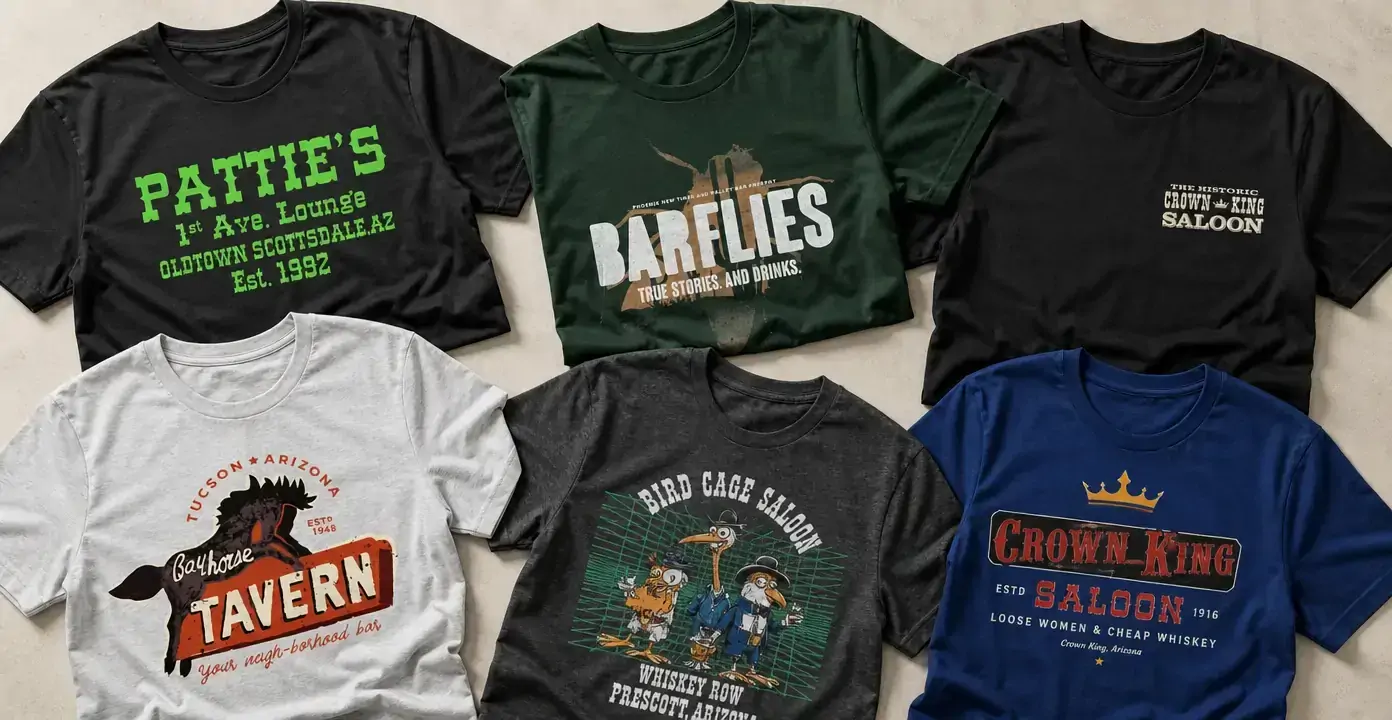
Arizona dive bar shirts turn the identities of local saloons, taverns, lounges, and neighborhood bars into venue-specific graphics. The collection spans communities from Phoenix and Tucson to Prescott, Scottsdale, Tempe, Williams, Crown King, and Tumacacori, with designs ranging from compact bar emblems to bold mascots, Western lettering, and weathered sign-style artwork.

Arizona Dive Bars

Arizona Dive Bars
Arizona Dive Bars
Arizona Dive Bars

Arizona Dive Bars

Arizona Dive Bars

Arizona Dive Bars

Arizona Dive Bars

Arizona Dive Bars
Pattie’s 1st Ave. Lounge Shirt – Old Town Scottsdale Az Dive Bar

Arizona Dive Bars

Arizona Dive Bars
Arizona Dive Bars
Arizona Dive Bars
Arizona Dive Bars
Arizona Dive Bars
Arizona Dive Bars

Arizona Dive Bars

Arizona Dive Bars

Arizona Dive Bars
Yucca Tap Room Shirt – Skully Face Design – Arizona Dive Bar

Arizona Dive Bars

Arizona Dive Bars
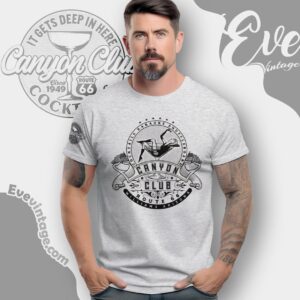
Vintage Canyon Club Cocktails Shirt – Williams Arizona Dive Bar
Arizona Dive Bars

Arizona Dive Bars
Arizona bar identities, told through local graphics
This category is organized around particular places rather than a generic desert-bar theme. A Phoenix lounge, a Prescott saloon, a Tempe bar, and a venue in a smaller community can share a dive-bar sensibility while retaining distinct names, symbols, and local references. City and town wording is therefore part of the design language: it identifies the community behind the bar and gives each graphic a more specific sense of place.
The observed designs also distinguish among saloons, taverns, pubs, lounges, and neighborhood bars. Saloon artwork often leans toward Western display type, crests, crowns, or aged lettering. Tavern, pub, and lounge graphics may instead use compact emblems, straightforward wordmarks, or retro compositions. These are visual directions rather than strict rules; the individual venue identity remains central.
From Prescott saloons to Tumacacori bar shirts
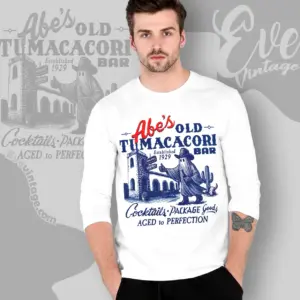
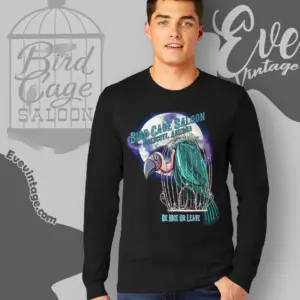
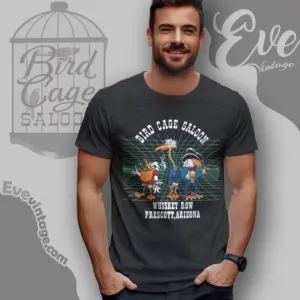
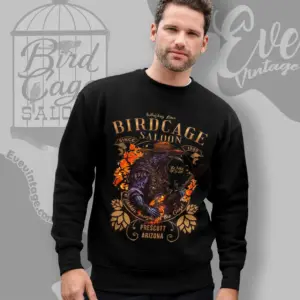
Several designs connect closely with recognizable local geography. Bird Cage Saloon shirts pair the venue with Prescott and Whiskey Row, sometimes using illustrated bird characters and layered retro line work rather than a conventional Western emblem. Abe’s Old Tumacacori Bar represents a different Arizona setting, tied specifically to Tumacacori rather than one of the state’s largest cities. Together, these references show how the category moves among downtown districts, neighborhood establishments, and smaller Arizona communities without reducing them to one statewide stereotype.
Other observed venue identities extend through Phoenix, Scottsdale, Tempe, Tucson, Williams, and Crown King. This geographic range is useful when choosing a shirt connected to a particular city or town, while the artwork provides another point of distinction. Some graphics emphasize the location and bar type; others foreground a mascot, decorative emblem, or recognizable venue wordmark.
Choosing a graphic direction
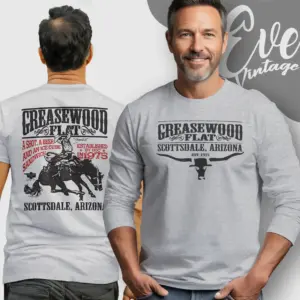
One of the clearest distinctions is graphic scale. Small chest emblems keep the venue reference restrained and logo-focused. Large front graphics provide more room for illustrated birds, horses, crowns, decorative borders, and oversized lettering. Distressed type and muted colors create a worn, vintage bar-shirt effect, while cleaner arrangements place greater emphasis on the establishment name.
Venue wording also changes the tone. Saloon graphics commonly feel Western or rustic, while lounge, tavern, and pub designs may appear more understated or typographic. Looking first at the Arizona location, then the venue type, artwork scale, and level of distress makes it easier to choose among shirts that share a local dive-bar theme but present it in different ways.