Arkansas Dive Bar Shirts
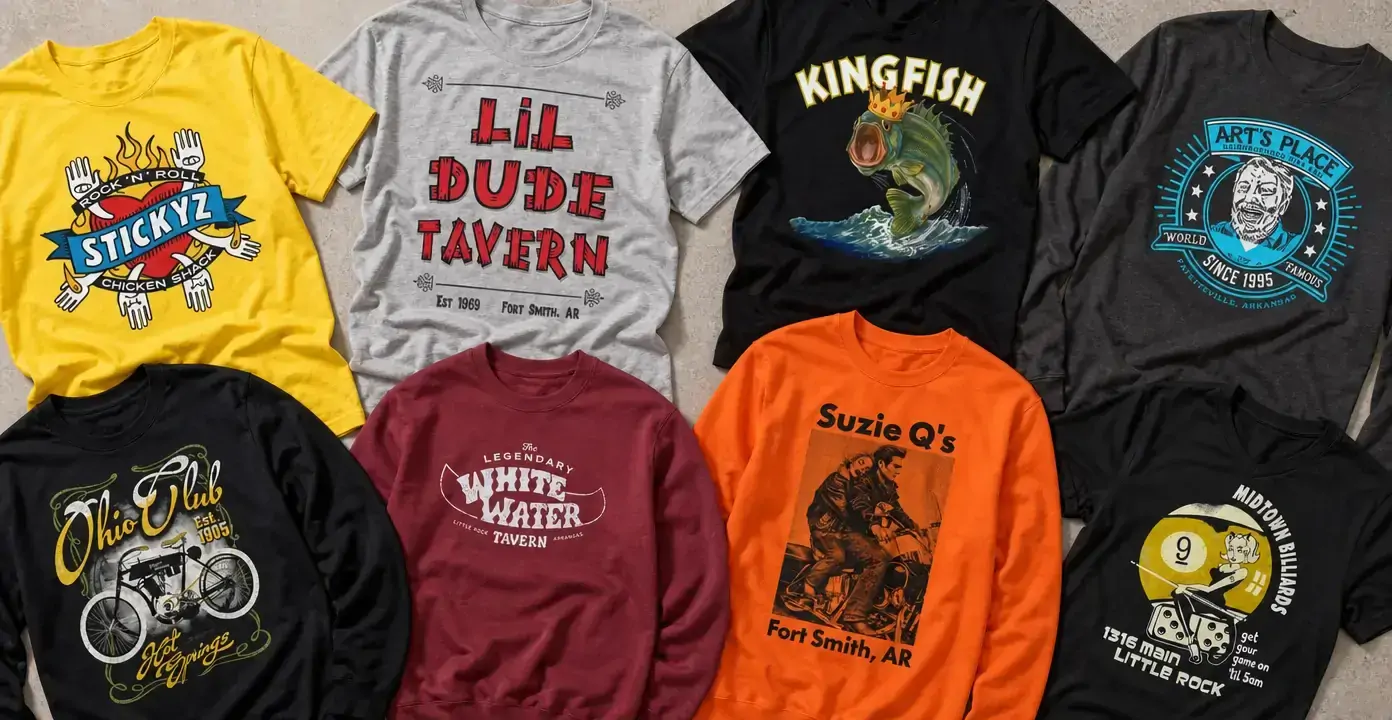
Arkansas dive bar shirts turn neighborhood watering holes, music rooms, and pool halls into bold place-based graphics. The collection spans Fayetteville bar emblems, Little Rock live-music and billiards imagery, and Hot Springs tavern designs, with treatments ranging from distressed wordmarks to illustrated mascots and retro sign lettering. Each design emphasizes the identity of a particular hangout rather than a generic Arkansas nightlife theme.
Arkansas Dive Bars
Arkansas Dive Bars
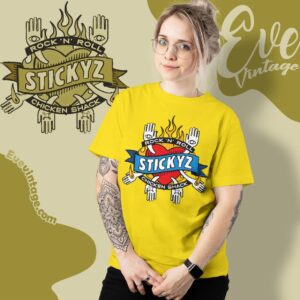
Stickyz Rock N’ Roll Chicken Shack Shirt – Little Rock Live Music Joint
Arkansas Dive Bars
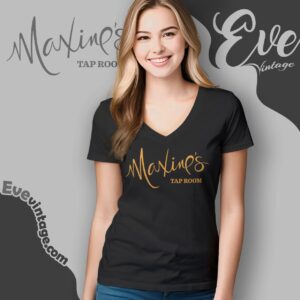
Maxine’s Tap Room Shirt – Fayetteville Arkansas Dive Bar Tee
Arkansas Dive Bars

Arkansas Dive Bars
Arkansas Dive Bars
Arkansas Dive Bars
Arkansas Dive Bars
Arkansas Dive Bars
Arkansas Bar Culture in Graphic Form
This category focuses on individual establishments rather than a generalized state slogan. The subjects include neighborhood dive bars alongside live-music bars, a historic tavern, and a billiards room. That range gives the collection several points of interest: shoppers can choose a design connected to a particular Arkansas city, a familiar venue name, or the kind of setting they associate with local bar culture.
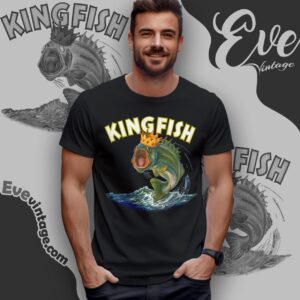
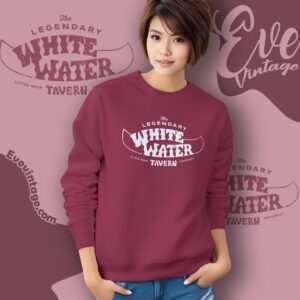
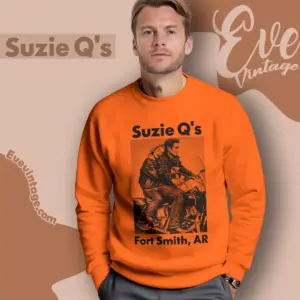
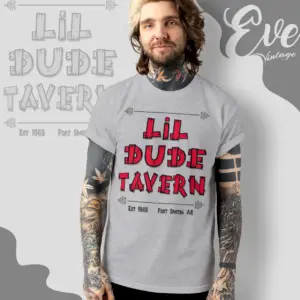
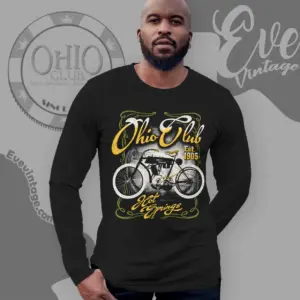
Fayetteville designs include Kingfish, which is identified as a neighborhood dive bar, and Maxine’s Tap Room, a historic bar that also hosts occasional live music. Little Rock offers a different mix. White Water Tavern combines dive-bar character with a music-venue identity, while Stickyz Rock ’N’ Roll Chicken Shack is better understood as a live-music bar and restaurant. Midtown Billiards brings pool-hall and live-music associations into the group. In Hot Springs, the Ohio Club stands apart as Arkansas’s oldest bar, linking this collection to the broader regional context of Ohio Dive Bars. The collection also includes Fort Smith-labeled graphics, although the available evidence does not support assigning every pictured establishment a specific venue type.
Retro Lettering, Mascots, Music, and Billiards
The artwork varies from restrained venue lettering to larger illustrated compositions. Distressed typography and retro wordmarks evoke the look of aged signs, handbills, or long-running neighborhood establishments without requiring every shirt to follow the same visual formula. City names and venue lettering reinforce the place-based character of the designs, making the location part of the graphic rather than a secondary detail.
Other designs use mascots, badges, or recognizable activity motifs to create a stronger focal point. Billiards imagery fits Midtown Billiards and its pool-hall identity, while music-oriented treatments complement shirts connected with Little Rock performance venues. Illustrated mascots can make a venue name feel more playful and prominent, whereas compact wordmarks keep attention on the establishment and city.
Choosing an Arkansas Dive Bar Shirt
Start with the connection that matters most. A Fayetteville neighborhood-bar shirt emphasizes local familiarity, while a Little Rock design may appeal more to someone drawn to live music or billiards. The Ohio Club offers a Hot Springs option with verified historic significance. Shoppers can also compare how prominently they want the artwork to read: text-forward graphics are typically more understated, while mascot and badge compositions create a larger visual centerpiece.
Color and finish provide another useful distinction. Limited palettes and distressed lettering lean toward a vintage Arkansas bar graphic, while brighter accents give a design more of a poster-like presence. Across these approaches, the consistent thread is the relationship among venue name, Arkansas location, and a visual style tied to the character of the place.