Georgia Dive Bar Shirts
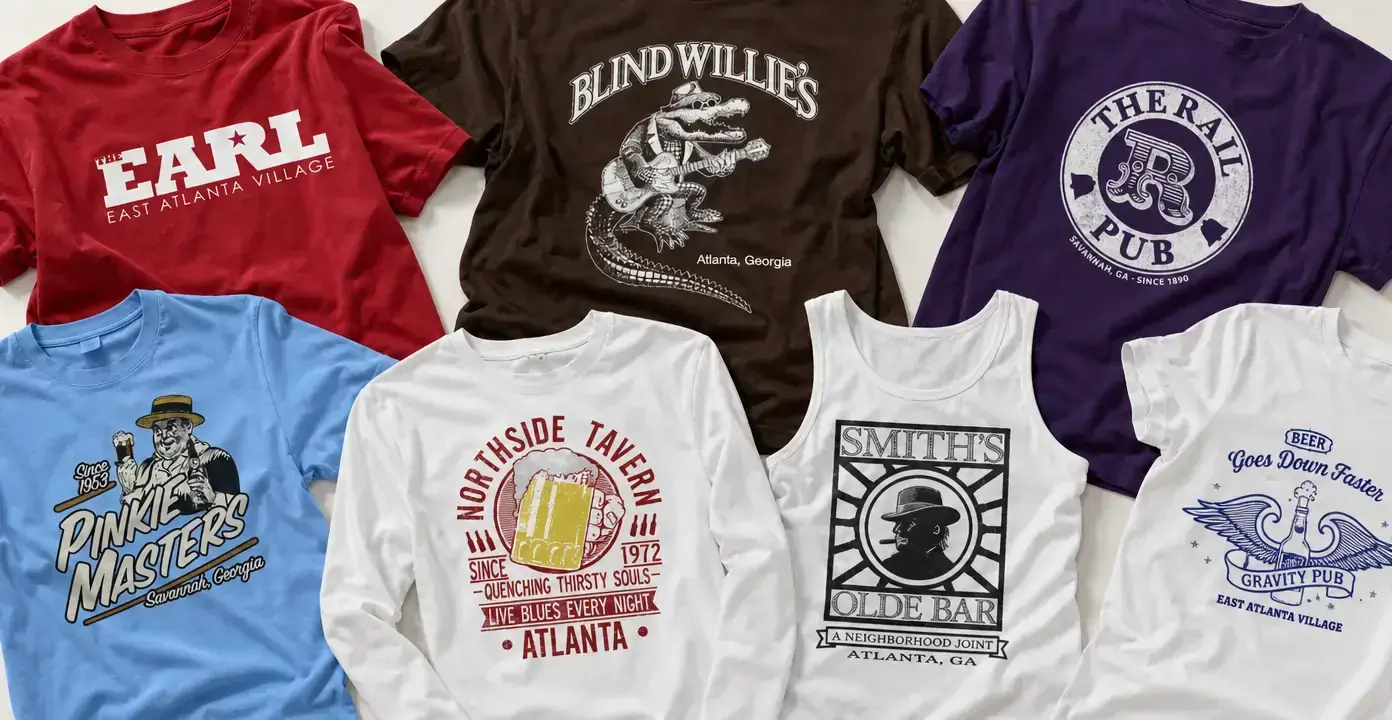
Georgia dive bar shirts featuring bar names, place-based graphics, mascots, and music-inspired artwork connected with Atlanta, Savannah, and the wider state. Designs range from restrained wordmarks and circular pub emblems to illustrated characters and weathered prints, offering different ways to represent a favorite venue, city bar scene, or piece of Georgia nightlife culture.
Georgia Dive Bars
Georgia Dive Bars
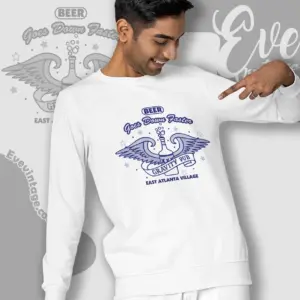
Georgia Dive Bars
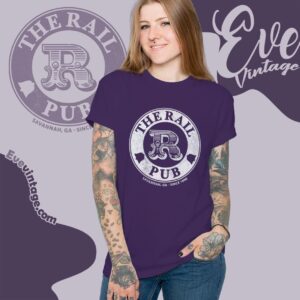
Georgia Dive Bars
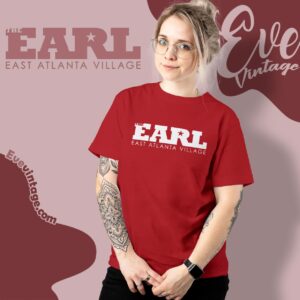
Georgia Dive Bars
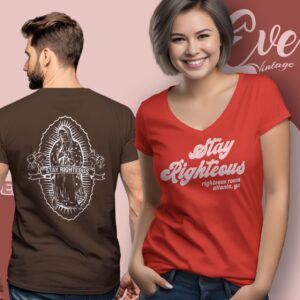
Georgia Dive Bars
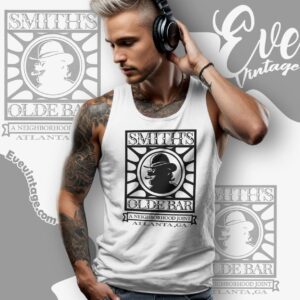
Georgia Dive Bars
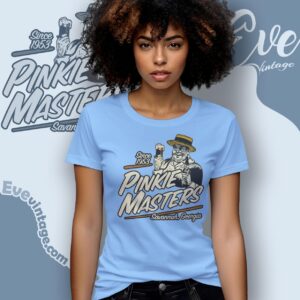
Georgia Dive Bars
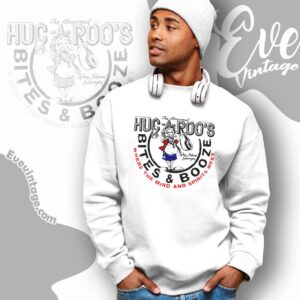
Georgia Dive Bars
Georgia bar graphics with a sense of place
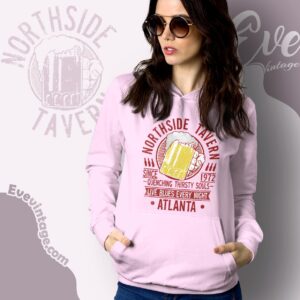
These shirts use venue names and city references to create a more specific identity than a general drinking slogan. The current selection includes Atlanta-associated names such as Blind Willie’s, The EARL, Smith’s Olde Bar, The Righteous Room, and Northside Tavern. Savannah is represented by Pinkie Masters and The Rail Pub, while other designs broaden the collection beyond those two cities. These examples show the present range without setting a permanent boundary around which Georgia bars may appear.
Place can be communicated directly through a city name or more subtly through the overall treatment of a bar, pub, or tavern graphic. That makes location one useful way to browse: shoppers can begin with Atlanta dive bar shirts, look for Savannah bar shirts, or explore the wider Georgia selection.
Wordmarks, pub emblems, and illustrated designs
The strongest visual distinction is between type-led and illustration-led artwork. Simple wordmarks keep the establishment name prominent and create the familiar feel of a local bar shirt. Circular badges and framed compositions borrow the structured character of pub signs and traditional emblems. These cleaner arrangements suit shoppers who want a readable, compact design rather than a large illustrated scene.
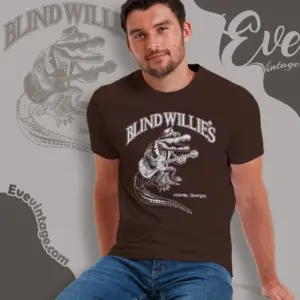
Other graphics use mascots, portraits, or decorative lettering to create a stronger focal point. Blind Willie’s adds a guitar-playing alligator, introducing a playful music cue. Across the broader selection, character artwork and detailed illustrations provide a more expressive alternative to minimal typography. These differences allow the category to cover Georgia pub and tavern graphic tees without making every design look interchangeable.
Choosing a graphic style
Start with the element you want to stand out most. Typography-first shirts emphasize the bar name, while emblem designs offer a balanced, sign-like composition. Mascots and portraits produce a bolder centerpiece, and guitar or performance imagery adds a music-inspired direction without requiring a literal venue scene.
Print treatment changes the mood as well. Distressed lettering and weathered edges can give a graphic the appearance of an older sign or handbill, making them useful choices for shoppers drawn to vintage-style bar logo shirts. Cleaner blocks of type and crisp emblem shapes feel more direct. Considering city, venue name, illustration style, and print treatment together makes it easier to choose among Georgia dive bar shirts while leaving room for the category to grow.