New Jersey Dive Bar Shirts
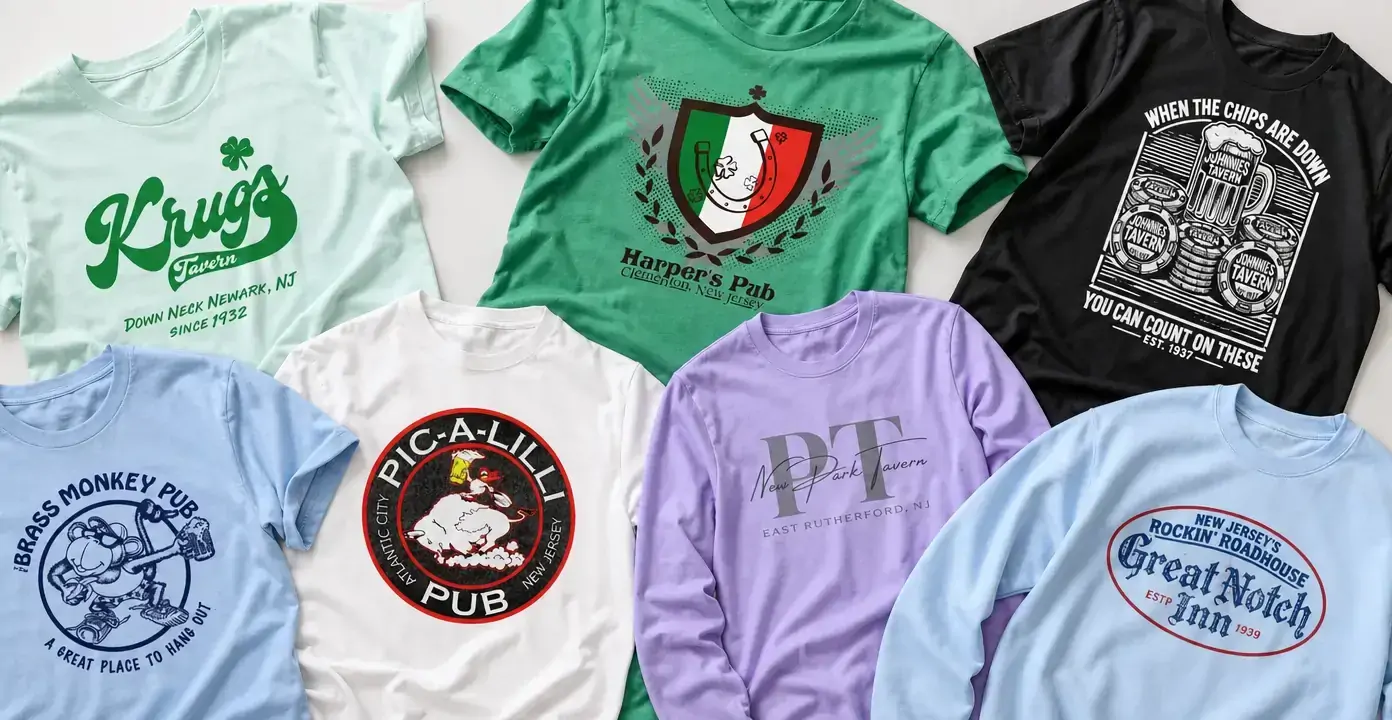
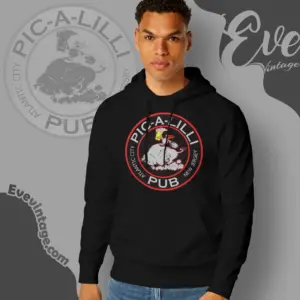
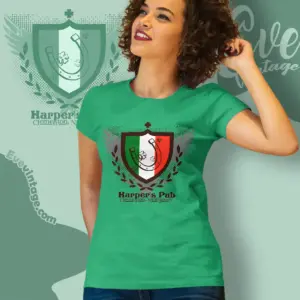
New Jersey dive bar shirts translate neighborhood tavern identity into wearable graphics, pairing pub names with towns such as Newark, Boonton, Clementon, Sayreville, and Atlantic City. The designs range from compact crests and circular bar emblems to illustrated mascots, beer imagery, script lettering, and roadhouse-style badges—distinct approaches united by the direct, locally grounded character of Garden State bar signage.

New Jersey Dive Bars
New Jersey Dive Bars
New Jersey Dive Bars
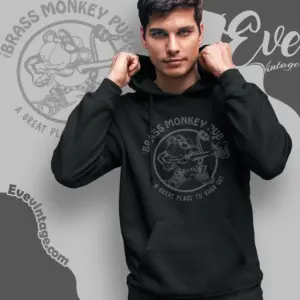
New Jersey Dive Bars
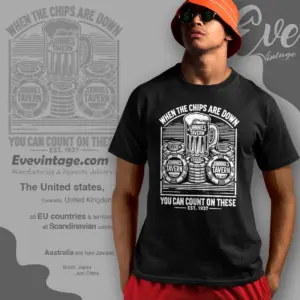
New Jersey Dive Bars
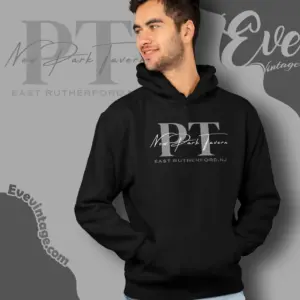
New Jersey Dive Bars
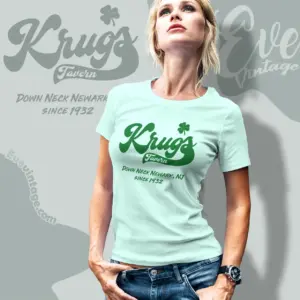
New Jersey Dive Bars
New Jersey Dive Bars
New Jersey Dive Bars
Neighborhood bars in graphic form
New Jersey dive bar shirts work much like old bar signs: a venue name does most of the talking, while a town name gives the design its local weight. That relationship is central to graphics for places associated with Newark, Boonton, Clementon, Sayreville, Atlantic City, and other Garden State communities. Some identify themselves as taverns or pubs; others lean into the roadhouse tradition. Together, those labels suggest different settings without requiring elaborate imagery.
The strongest venue graphics make locality part of the composition rather than an afterthought. A town may appear beneath a script wordmark, around the edge of a circular seal, or inside a compact badge. This creates a visual distinction between a general drinking-themed shirt and one built around a recognizable neighborhood establishment. Founding-year language also appears in some designs, adding the look of a long-standing house mark; those printed dates function as elements of the individual venue graphic rather than a verified history of New Jersey nightlife.
From pub crests to illustrated bar emblems
Several design directions define the collection. Crest graphics use the balanced structure of shields, wreaths, and traditional-looking pub insignia. They tend to feel orderly and heraldic, especially when paired with restrained lettering. Circular emblems place the bar name around a central illustration, recalling familiar formats such as window graphics and exterior signs. These layouts can organize longer venue names and locations while giving the artwork a clear silhouette.
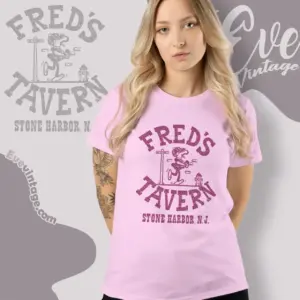
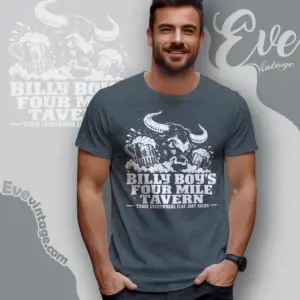
Character-driven graphics take a less formal approach. Cartoon mascots, comic scenes, and humorous details give a bar graphic its own personality, while beer mugs, barrels, and stacked kegs make the drinking-place theme immediately legible. Other designs rely primarily on typography. Flowing script can evoke a painted window logo, while heavy outlined letters and oval badges carry the visual force of roadside or roadhouse signage.
Choosing a New Jersey bar-shirt style
A venue connection is usually the most meaningful starting point: hometown, former neighborhood, familiar route, or a bar name tied to personal memories. After that, composition sets the tone. Crests and clean wordmarks offer a quieter identity; compact badges emphasize the establishment name and location; illustrated mascots or drinking motifs create a more playful focal point.
Regional variety also changes the context. A Newark tavern graphic, an Atlantic City pub emblem, and a North Jersey roadhouse badge can all belong to the same category while retaining separate local identities. The common thread is not one invented statewide aesthetic, but the way neighborhood names, bar terminology, and sign-inspired artwork turn individual New Jersey establishments into distinctive apparel graphics.