Alabama Dive Bar Shirts
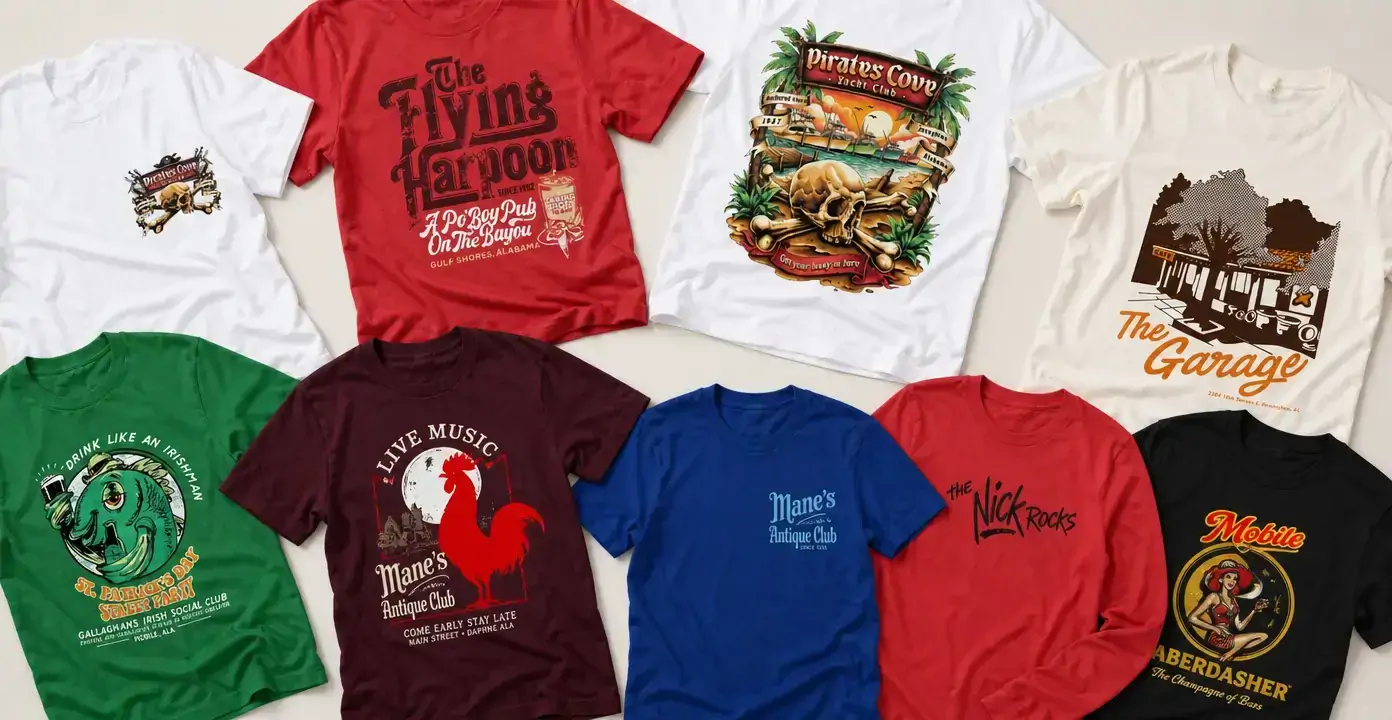
Alabama dive bar shirts feature graphics built around named watering holes, pubs, and social clubs from Birmingham, Mobile, Daphne, Josephine, and the Gulf Coast. Across the sampled designs, venue names and city callouts are paired with distressed rock lettering, retro badges, illustrated emblems, Irish event artwork, or pirate and bayou imagery—distinct approaches that range from restrained chest marks to detailed back prints.
Alabama Dive Bars
Alabama Dive Bars
Alabama Dive Bars
Alabama Dive Bars
Alabama Dive Bars
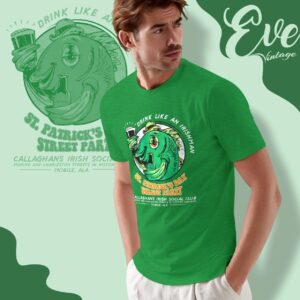
Callaghan’s Irish Social Club Shirt – Drink Like An Irishman – St Patrick’s Day Shirt

Alabama Dive Bars
Alabama Dive Bars
Alabama Dive Bars

Alabama Dive Bars

Alabama Dive Bars
Alabama Dive Bars
“Dive Bar” Covers More Than One Kind of Alabama Venue
Here, “dive bar” works as a broad category for venue-centered graphics rather than a strict description of every establishment represented. The references extend across neighborhood bars, social clubs, live-music rooms, pubs, and waterfront hangouts. Their common thread is local identity: a venue name usually carries more weight than a generalized state symbol, with a city, community, slogan, or emblem supplying the sense of place.
Local Character Changes the Visual Language
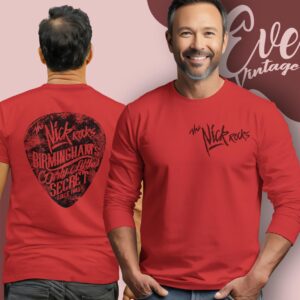
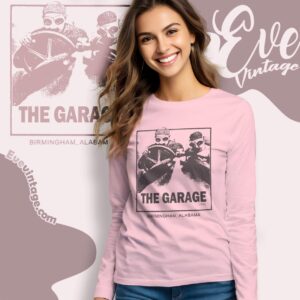
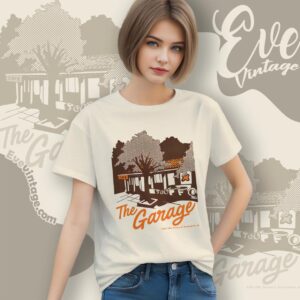
Among the sampled Birmingham dive bar shirts, rough lettering and strong contrast give The Garage and The Nick a direct, music-oriented character. The designs read less like polished hospitality branding and more like marks associated with a particular room, sign, or stage. That approach suits graphics where the establishment name is meant to remain the dominant reference.
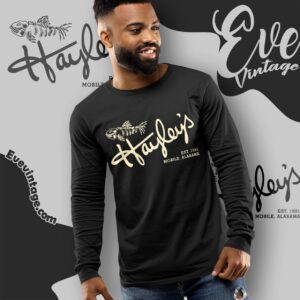
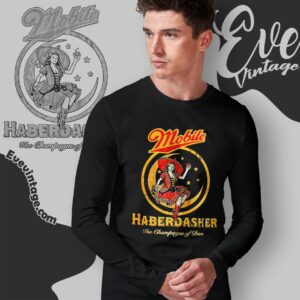
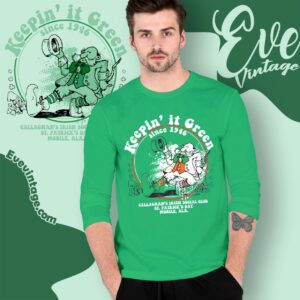
Mobile bar shirts show a broader tonal range. A script logo or compact emblem can make the venue reference understated, while illustrated or event-focused artwork creates a more expressive composition. Callaghan’s Irish Social Club designs, for example, use green seasonal imagery and St. Patrick’s Day language; other Mobile references rely more heavily on the venue wordmark or an individual symbol. These differences matter because they separate everyday local-bar graphics from designs tied to a specific occasion.
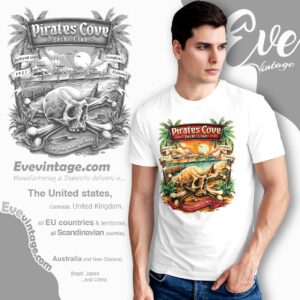
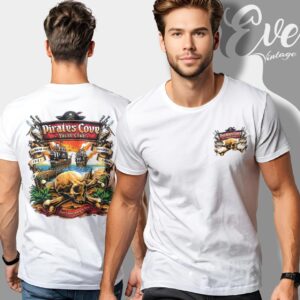
Along the Alabama Gulf Coast, location becomes part of the artwork itself. Josephine and Gulf Shores references can support pirate, boat, palm, bayou, or pub imagery, while a Daphne venue badge can lean toward aged advertising graphics. Such motifs do more than signal “the beach”: they connect a named watering hole with boating, shoreline, or bayou settings. Some Alabama Gulf Coast bar shirts build that identity through a detailed scene, while others need only a place name and weathered badge.
Choose by Connection, Composition, and Occasion
A named establishment offers the most specific connection, but print structure determines how prominently that reference appears. Large back graphics and illustrated scenes make the venue legible from a distance; compact chest marks, scripts, and limited-color badges are quieter. Seasonal Irish artwork has a clear event context, whereas distressed rock type, retro bar emblems, and coastal motifs have a less occasion-specific character. Comparing those elements helps distinguish a shirt chosen for a particular Alabama venue from one chosen primarily for its music-bar, vintage, or waterfront style.