Hawaii Dive Bar Shirts
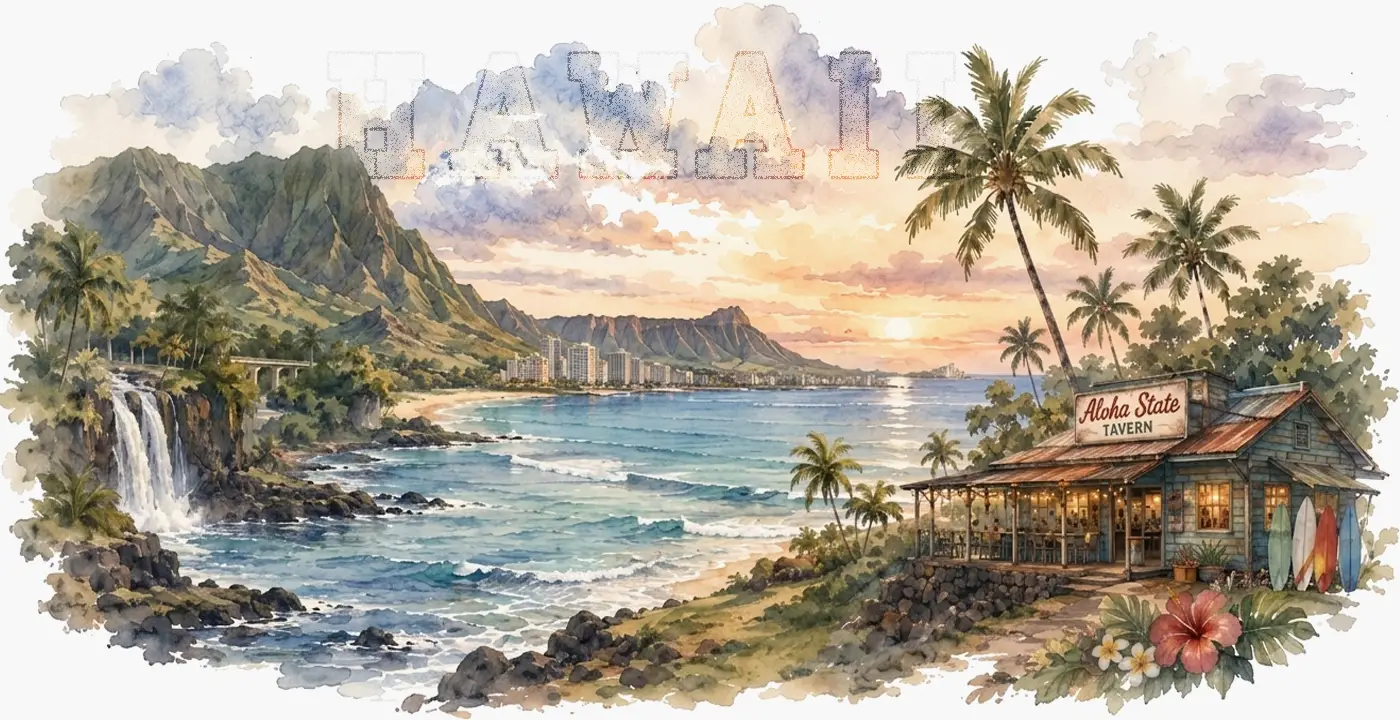
Collection of premium graphic shirts honoring Hawaii’s historic WWII naval sanctuaries, unvarnished hollow-tile bunkers, and legendary Chinatown dive bars. Featuring bold, “Big Face” vintage-style aesthetics, these designs completely bypass the plastic tiki cups and sanitized resort luaus to capture the gritty, uncompromising reality of the Aloha State’s true working-class watering holes.
Hawaii Dive Bars
Hawaii Dive Bars
The Architecture of Naval Shipyards, Hollow-Tile Bunkers, and Pacific Holdouts
Hawaii’s authentic drinking infrastructure is radically separated from the massive, hyper-polished beachfront resorts of Waikiki and Maui. The true Hawaiian dive bar was forged by the extreme logistical isolation of the Pacific, the heavy industrial presence of the U.S. Navy during World War II, and the blue-collar labor of the historic sugarcane and pineapple plantations. To combat the relentless tropical sun and the constant threat of coastal storms, these working-class taverns are often constructed as dark, heavily insulated bunkers utilizing "hollow-tile" (the local term for cinderblock) or repurposed military Quonset huts. They operate in perpetual twilight, providing essential, air-conditioned relief for longshoremen, off-duty sailors, and neighborhood locals.
The visual culture of authentic Aloha State bar apparel completely rejects high-gloss, neon-pastel resort branding and generic floral tourist patterns. Genuine Hawaiian graphic designs rely on heavily distressed maritime typography, vintage Chinatown neon outlines, and raw color palettes of rusted naval steel, volcanic basalt black, and sun-faded coral. By anchoring these designs in hyper-local, verified structural history, we create premium "Big Face" apparel that leverages a powerful visual "Halo Effect," celebrating the genuine, unpolished heritage of the real Hawaii.
Historical Establishments in the Aloha State
The following real-world venues represent the verified history of Hawaii's nightlife and serve as direct reference material for our original regional graphic apparel:
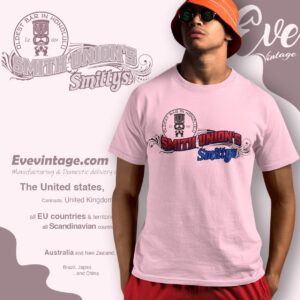
- Honolulu (Smith's Union Bar): Located right in the heart of the historic downtown Chinatown district, this is legally recognized as the oldest bar in Hawaii, operating continuously since 1934. Famous for being the primary drinking sanctuary for the sailors of the USS Arizona before the attack on Pearl Harbor, the bar completely preserves its original, narrow, unpolished layout. Marked by its classic nautical-themed neon sign and heavy wooden bar top, it remains an uncompromising, cash-only time capsule for local dock workers, veterans, and neighborhood regulars.
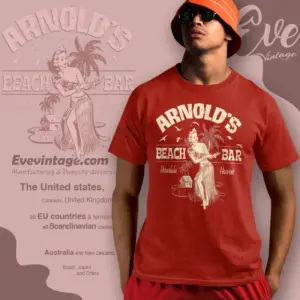
- Waikiki (Arnold's Beach Bar): Tucked away down an unassuming, hidden alleyway just steps from the massive luxury hotels of Kalakaua Avenue, this venue is the definitive architectural archetype of the anti-resort holdout. Housed under a low, corrugated roof and utilizing heavily weathered timber, it completely ignores the upscale gentrification surrounding it. It functions as a vital, low-overhead sanctuary for the city's hospitality workers, local surfers, and off-the-clock cooks seeking cheap domestic cans and unpretentious relief.
- Honolulu (Harbor Pub & Pizza): Anchored on the ground floor of the Ilikai Marina since 1980, this dark, wood-paneled subterranean bunker serves as a legendary crossroads for the Pacific maritime community. The interior is a chaotic, heavy-duty archive of nautical history, lined with decades of salvaged shipping nets, weathered life rings, and maritime flags. It stands as a vital, unfiltered refuge for commercial fishermen, harbor laborers, and seasoned sailors arriving from trans-Pacific crossings.
Hawaii Drinking Culture & Design Context
Why do we use "Big Face" oversized graphics for Hawaii tavern apparel?
The true history of Hawaii nightlife—from the heavy, rusted steel of Pearl Harbor to the glowing neon of 1930s Chinatown—demands a bold visual presence to cut through the deafening noise of cheap, generic tourist merchandise. We utilize "Big Face" vintage-style aesthetics—oversized, center-chest graphic layouts—to command immediate attention. Massive, distressed typography paired with large-scale illustrations of WWII-era nautical signage or hollow-tile cinderblock motifs creates a strong "Halo Effect," ensuring the garment is instantly recognized by locals as a premium, genuine piece of Pacific history.
What is the cultural significance of hollow-tile and naval salvage motifs?
This graphic framework directly references the structural reality of institutional venues like Smith's Union Bar and Harbor Pub. In Hawaii, the windowless hollow-tile bunker and the repurposed military structure are architectural necessities designed to withstand Pacific hurricanes and block out the blistering sun. Replicating these heavy, industrial textures on apparel grounds the design in the functional, unpolished reality of local island life, completely bypassing cliché hibiscus flowers and generic tiki vectors.
How do our original designs combat digital cloning and preserve authenticity?
The print-on-demand market is heavily targeted by automated scraping tools that generate superficial, cliché Hawaiian vectors—almost exclusively utilizing generic surfboards, pineapples, and palm trees. True Aloha State dive apparel is protected by its hyper-specificity. By deeply researching and illustrating verified architectural details—like the exact typography of the 1934 Smith's Union neon sign or the specific heavy-timber construction of a hidden Waikiki alley bar—our artwork creates a verifiable historical footprint. This ensures our intellectual property remains highly distinct, as cheap digital clones and visual search tools cannot authentically replicate these exact, historically accurate structural details.