Florida Dive Bar Shirts
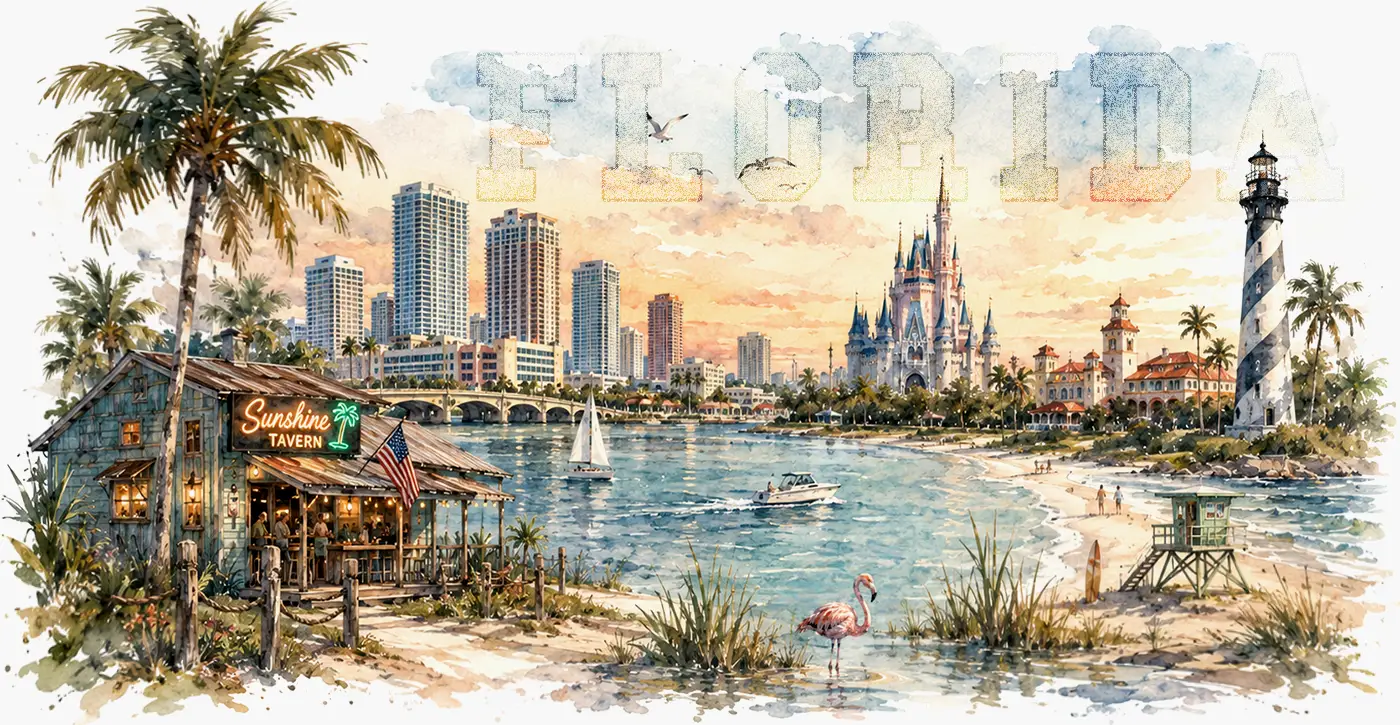
Collection of premium graphic shirts honoring Florida’s historic hurricane-tested bunkers, illicit smuggler roadhouses, and unvarnished Key West sanctuaries. Featuring bold, “Big Face” vintage-style aesthetics, these designs completely bypass the plastic theme parks and sanitized resort strips to capture the gritty, uncompromising reality of the Sunshine State’s most legendary watering holes.
Florida Dive Bars

Florida Dive Bars

Florida Dive Bars
Harry’s Banana Farm Bar Shirt – Lake Worth Beach Florida Dive Bar
Florida Dive Bars
Florida Dive Bars
Florida Dive Bars
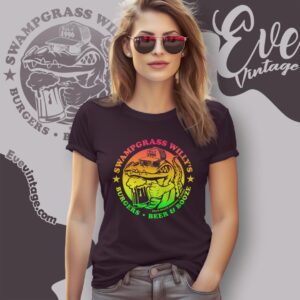
Swampgrass Willy’s Bar Shirt – Palm Beach Garden Florida Dive Bar
Florida Dive Bars
Florida Dive Bars
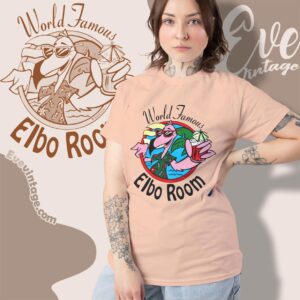
Florida Dive Bars

Florida Dive Bars
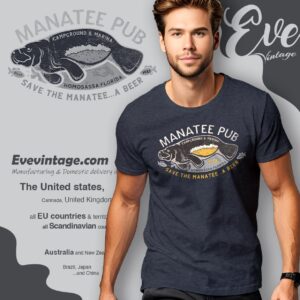
Florida Dive Bars
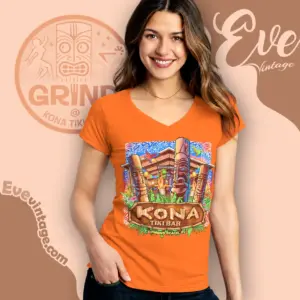
Florida Tiki Bars
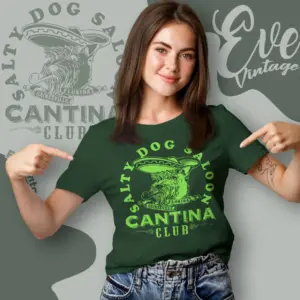
Florida Dive Bars
Florida Dive Bars
Florida Dive Bars
Florida Dive Bars
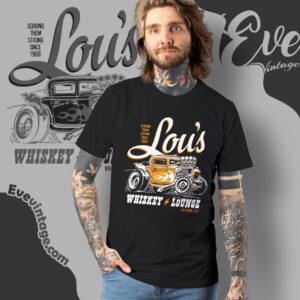
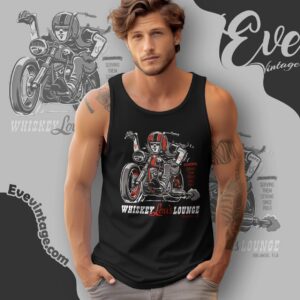
Motorcycle Whiskey Lou’s Lounge Shirt – Orlando Florida Dive Bar Tee
The Architecture of Hurricane Bunkers, Smuggler Outposts, and 8-AM Neon Refuges
Florida’s drinking infrastructure is radically shaped by its brutal climate, maritime smuggling history, and coastal storm threats. The authentic Florida dive bar is built primarily for thermal and atmospheric survival. In the humid, sun-blasted expanses of the state, these taverns function as heavily insulated, windowless bunkers. Constructed from thick cinderblock, coral rock, or weathered maritime salvage, they exist in perpetual midnight—operating with air conditioning on maximum blast and completely ignoring the shifting coastal tides and gentrifying luxury condos outside.
The visual culture of authentic Sunshine State bar apparel completely rejects high-gloss, neon-pastel Miami tourist branding. Genuine Florida graphic designs rely on heavily distressed mid-century neon, salt-corroded coastal typography, and raw color palettes of swamp green, oxidized coral, and sun-bleached asphalt. By anchoring these designs in hyper-local, verified structural history, we create premium "Big Face" apparel that leverages a powerful visual "Halo Effect," celebrating the genuine, unpolished heritage of Old Florida.
Historical Establishments in the Sunshine State
The following real-world venues represent the verified history of Florida's nightlife and serve as direct reference material for our original regional graphic apparel:
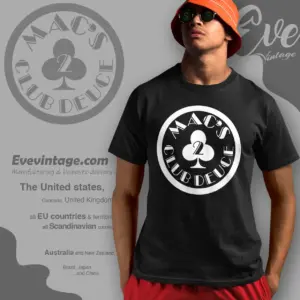
- Miami Beach (Mac's Club Deuce): Operating since 1926 and heavily remodeled in 1964, "The Deuce" is the oldest bar in Miami. Marked by its iconic, glowing neon sign, the interior is a windowless, smoky time capsule that totally defies the hyper-expensive, velvet-rope club culture of South Beach. Globally famous for its 8:00 AM daily happy hour, it serves as the ultimate post-shift sanctuary for local hospitality workers, off-duty cooks, and gritty neighborhood holdouts.
- Key West (Captain Tony's Saloon): Located on Greene Street, this structure is the original location of Sloppy Joe's and served as Ernest Hemingway’s actual 1930s drinking headquarters. Built in 1851 as an ice house (and briefly serving as the city morgue), the bar is literally constructed around a massive, living tree bursting through the roof. It preserves a raw, chaotic maritime aesthetic—rejecting the commercialized tourist traps of Duval Street with a ceiling completely draped in weathered brassieres and old license plates.
- Perdido Key (Flora-Bama Lounge): Straddling the physical state line between Florida and Alabama, this massive, multi-level Gulf Coast roadhouse is a masterclass in storm-tested resilience. Surviving direct hits from multiple catastrophic hurricanes, the structure is a sprawling labyrinth of weathered timber, canvas tarps, and heavy decking. It represents the absolute pinnacle of Panhandle blue-collar drinking culture, famous for its unpretentious Bushwacker cocktails and the legendary annual Interstate Mullet Toss.
- Indian Shores (Mahuffer's): Proudly billing itself as the "Wurst Place on the Beach," this Gulf Coast institution is the definitive architectural archetype of the Florida salvage dive. The interior is a dark, swampy, claustrophobic masterpiece of marine debris, constructed almost entirely from driftwood, salvaged boat motors, torn fishing nets, and thousands of dollar bills stapled to the heavy wooden beams.
Florida Drinking Culture & Design Context
Why do we use "Big Face" oversized graphics for Florida tavern apparel?
The true history of Florida nightlife—from the towering neon facades of South Beach to the sprawling, hurricane-battered timber of the Gulf Coast—demands a bold visual presence to cut through the noise of cheap tourist merchandise. We utilize "Big Face" vintage-style aesthetics—oversized, center-chest graphic layouts—to command immediate attention. Massive, distressed typography paired with large-scale illustrations of glowing neon or nautical salvage creates a strong "Halo Effect," ensuring the garment is instantly recognized by locals as a premium, genuine piece of Old Florida history.
What is the cultural significance of the 8-AM neon and cinderblock motifs?
This graphic framework directly references the legendary physical realities of institutions like Mac's Club Deuce. In Florida, the windowless cinderblock bunker is a structural necessity designed to withstand Category 5 hurricanes and block out the relentless morning sun. Replicating these hyper-local, heavy industrial textures alongside glowing neon on apparel signals a deep, insider understanding of third-shift hospitality labor and real local resilience, completely bypassing generic pink flamingo tropes.
How do our original designs combat digital cloning and preserve authenticity?
The print-on-demand market is heavily targeted by automated scraping tools that generate superficial, cliché Florida vectors—almost exclusively utilizing generic palm trees, sunglasses, and pastel beaches. True Sunshine State dive apparel is protected by its hyper-specificity. By deeply researching and illustrating verified architectural details—like the exact curvature of The Deuce's 1960s neon sign or the specific tree trunk growing through the roof at Captain Tony's—our artwork creates a verifiable historical footprint. This ensures our intellectual property remains highly distinct, as cheap digital clones cannot authentically replicate these exact, historically accurate structural details.