Missouri Dive Bar Shirts
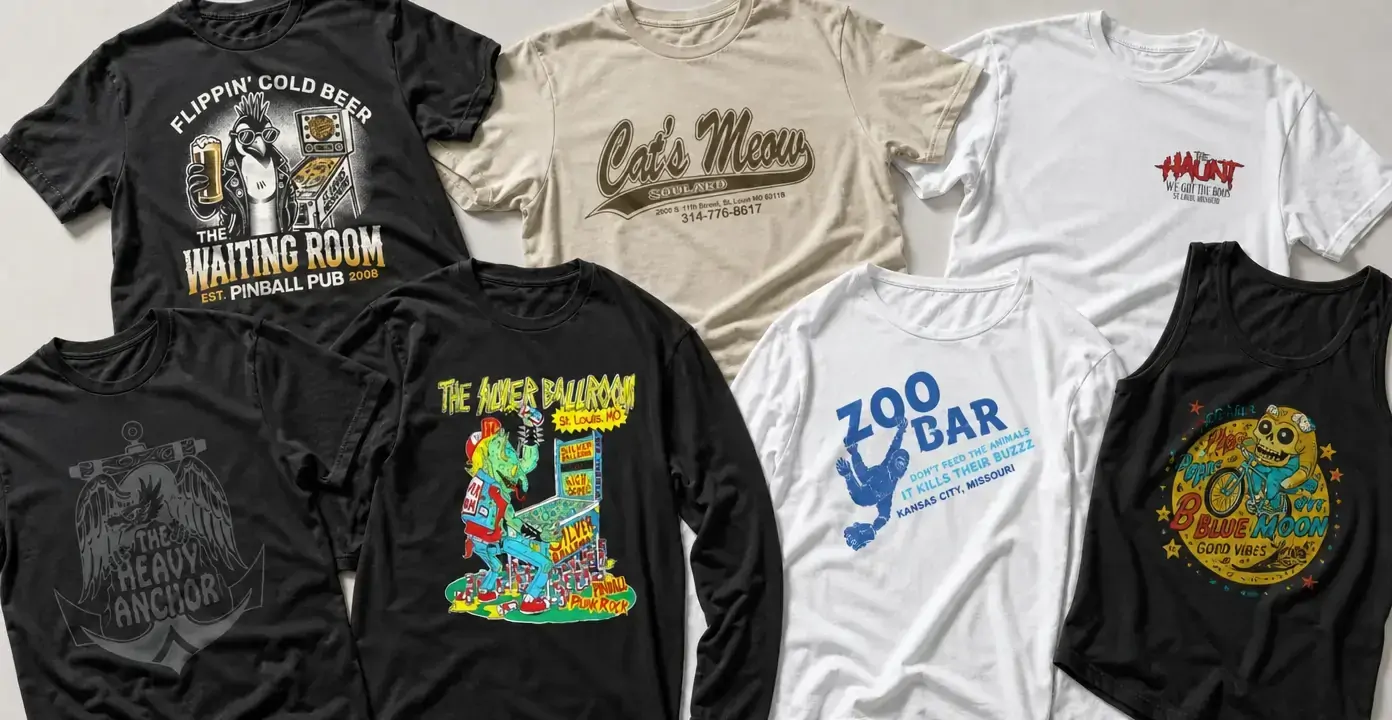
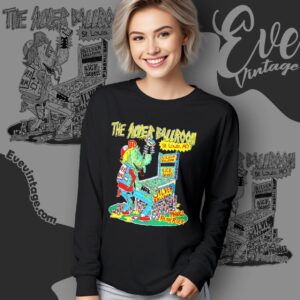
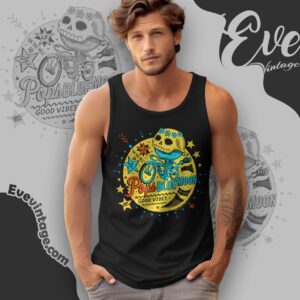
Missouri dive bar shirts turn the identities of neighborhood taverns, pinball rooms, pubs, and music venues into locally specific graphics. The observed designs span St. Louis-area names such as Pop’s Blue Moon, The Silver Ballroom, and The Heavy Anchor alongside Kansas City references including Zoo Bar and Davey’s Uptown Ramblers Club, with artwork built around sign lettering, mascots, arcade imagery, and venue emblems.
Missouri Dive Bars
Missouri Dive Bars
Missouri Dive Bars
Missouri Dive Bars
Missouri Dive Bars
Missouri Dive Bars
Missouri Dive Bars
Missouri Dive Bars

Missouri Dive Bars
Missouri Dive Bars
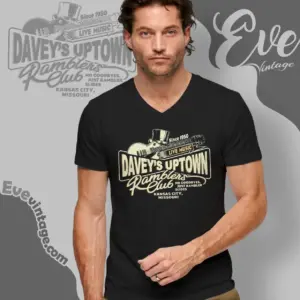
Davey’s Uptown Ramblers Club Shirt – Kansas City Dive Bar Tee
Missouri Dive Bars
Bar graphics rooted in Missouri places
This category centers on named Missouri bars, taverns, pubs, and music venues rather than generic drinking slogans. The sampled selection has a large St. Louis-area presence, including references to Soulard, Dutchtown, St. Ann, and Maplewood. Kansas City forms another clear group through names such as Zoo Bar and Davey’s Uptown Ramblers Club. Together, these place references give shoppers a useful way to browse by city, neighborhood, or familiar venue identity.
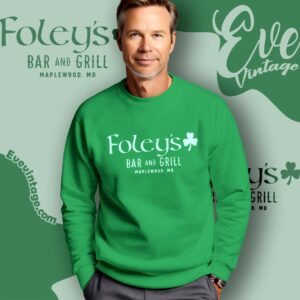
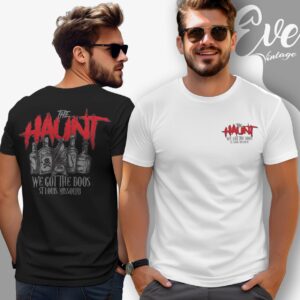
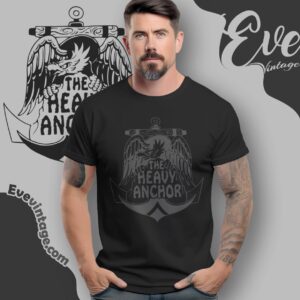
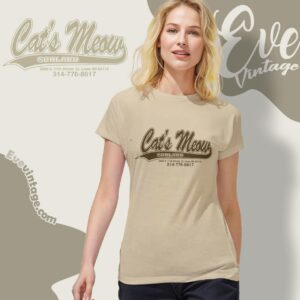
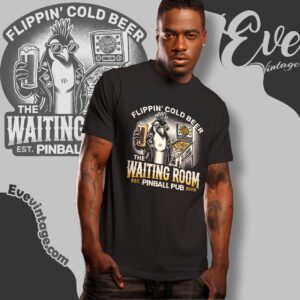
Some designs make their local connection especially clear. Cat’s Meow carries a Soulard reference, while Foley’s is associated with the Maplewood area. The Waiting Room represents St. Ann, and The Heavy Anchor and The Haunt connect with Dutchtown. These details distinguish locally specific Missouri neighborhood bar and tavern shirts from general state-themed apparel.
From tavern lettering to illustrated venue art
The graphics range from restrained venue marks to more elaborate, poster-like compositions. Across the sampled designs, recurring treatments include retro scripts, sign-style lettering, mascots, skulls, anchors, and other character illustrations. Limited palettes appear alongside brighter accent colors, while some prints use an aged or distressed effect for a vintage-style bar-shirt appearance.
This variation makes the collection suitable for different visual preferences. A simple wordmark or compact emblem keeps the focus on the venue name, while a larger illustrated scene creates a bolder centerpiece. Shoppers can also compare understated neutral garments with designs that use brighter arcade, horror, or mascot imagery.
Pinball and music-venue themes
Pinball imagery is one of the clearest recurring themes in the supplied selection. The Waiting Room and The Silver Ballroom designs both draw on arcade culture, but the observed graphics range from compact emblem-like arrangements to busier scenes with poster-style energy. These Missouri pinball bar shirts offer a distinct alternative to conventional tavern lettering.
Music-oriented venue identities provide another direction. Davey’s Uptown Ramblers Club and The Heavy Anchor connect bar graphics with live-performance settings and alternative nightlife imagery. When choosing among the designs, consider whether the strongest personal connection is a particular Missouri city, a neighborhood tavern name, pinball culture, a music venue, a specific graphic style, or the tropical aesthetic associated with Missouri tiki bar shirts. That approach keeps the focus on the local identity and artwork represented by each shirt without treating the sampled venues as the category’s permanent limits.