California Dive Bar Shirts
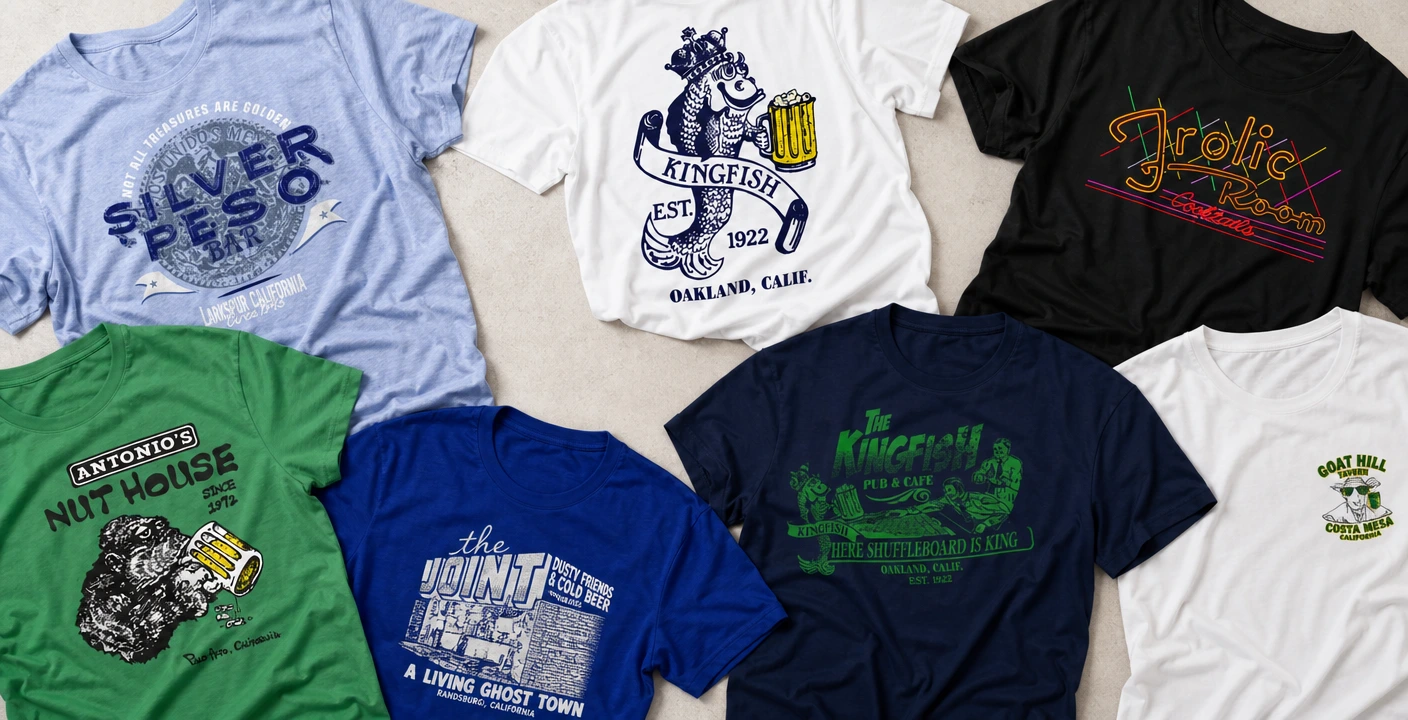
California dive bar shirts translate the identity of neighborhood taverns, saloons, pubs, and lounges into wearable graphics. The collection ranges from compact venue marks and traditional pub crests to illustrated mascots, beer motifs, punk-influenced lettering, and colorful retro layouts, with designs tied to communities across the state rather than one single version of California nightlife.

California Dive Bars
California Dive Bars
California Dive Bars
California Dive Bars

California Dive Bars

California Dive Bars

California Dive Bars

California Dive Bars

California Dive Bars

California Dive Bars

California Dive Bars

California Dive Bars

California Dive Bars

California Dive Bars

California Dive Bars
California Dive Bars
California Dive Bars
California Tiki Bars
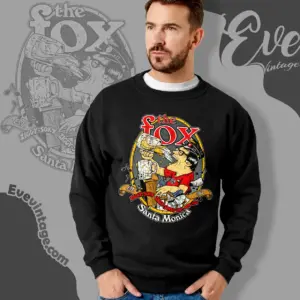
California Dive Bars
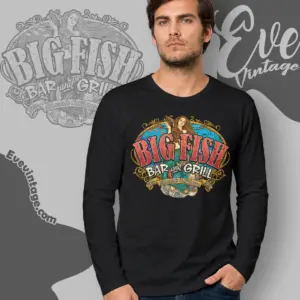
California Dive Bars
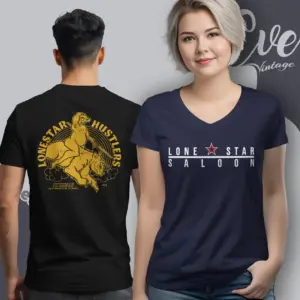
California Dive Bars
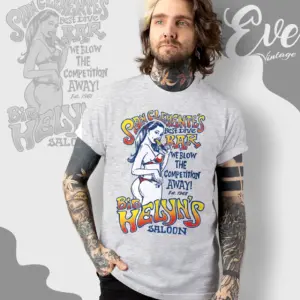
California Dive Bars
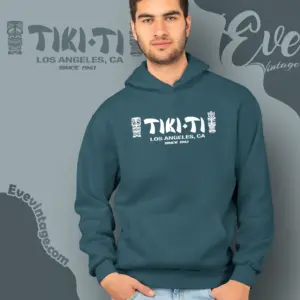
California Dive Bars
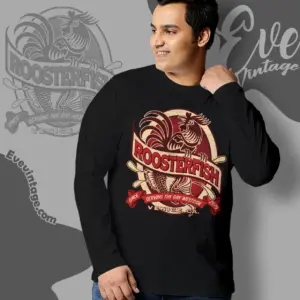
California Dive Bars
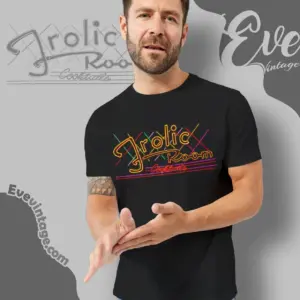
California Dive Bars
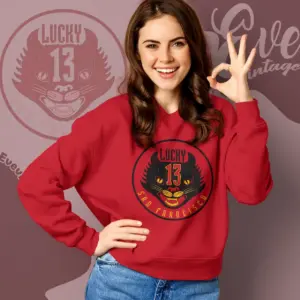
California Dive Bars
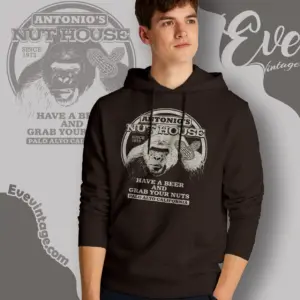
California Dive Bars

California Dive Bars
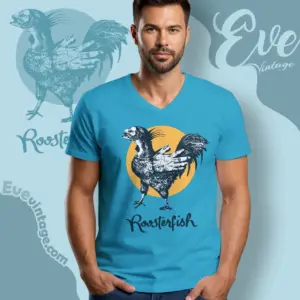
California Dive Bars

California Dive Bars
Local bar identity in graphic form
A California dive bar shirt often works like a portable piece of local signage. The venue name takes priority, while a city, neighborhood, or regional reference gives the design its sense of place. That structure connects settings from Los Angeles, San Francisco, Oakland, and San Diego to Anaheim, San Clemente, South Lake Tahoe, and other communities without treating every California bar as visually interchangeable.
The terminology also changes the mood. A saloon design may favor large, decorative lettering and a boisterous illustrated composition. A pub graphic can lean toward crests, shamrocks, traditional sign typography, or a compact emblem. Tavern, lounge, and cafe designs can range from restrained chest marks to playful illustrated images. These labels are useful visual cues, not rigid style rules.
From understated logos to barroom mascots
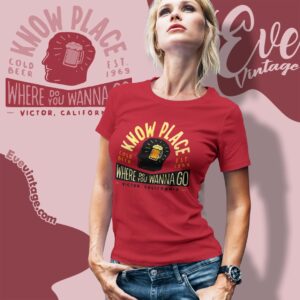
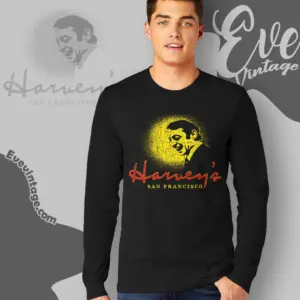
The clearest choice is often between a subtle venue reference and a graphic that carries the full personality of the bar. Small scripts and left-chest marks evoke familiar house logos. Larger front prints make room for hand-drawn type, ornamental borders, location lines, and jokes that read more like an old advertisement or bar sign.
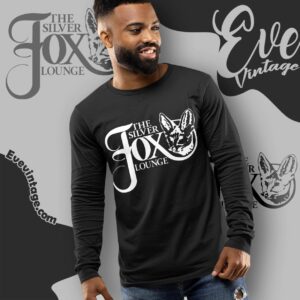
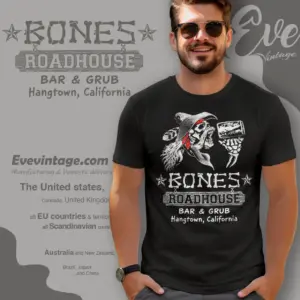
Mascot designs add another direction. Goats, fish, otters, and other illustrated characters can turn a venue name into a memorable emblem, sometimes paired with beer imagery. Some are clean and heraldic; others are deliberately odd, cartoonish, or rough around the edges. The distinction can matter more than simply choosing a city: one design may feel like a traditional pub badge, while another resembles a handbill pinned near a stage.
Retro, pub, and punk-influenced styles
Retro California bar logo shirts frequently use arched lettering, warm accent colors, outlined type, and crowded layouts that recall painted signs and printed advertisements. Traditional Irish-pub treatments rely more on symmetrical frames, green-and-white palettes, shamrocks, and decorative lettering. Punk-influenced bar shirts move in the opposite direction, using dark garment colors, sharp letterforms, fragmented shapes, and high-contrast printing.
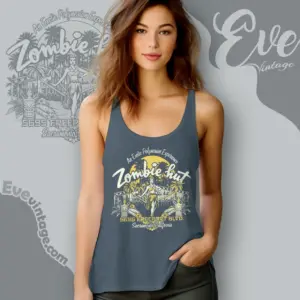
Garment color changes how those ideas register. Heather gray can support multicolor vintage artwork, green complements pub and beer imagery, and black gives stark music-oriented graphics greater impact. Navy, white, red, and blue backgrounds offer further contrast for simpler emblems. Together, these approaches present California dive bar culture, including its overlap with California tiki bar shirts, through specific names, places, symbols, and graphic personalities rather than one generic distressed aesthetic.