Pennsylvania Dive Bar Shirts
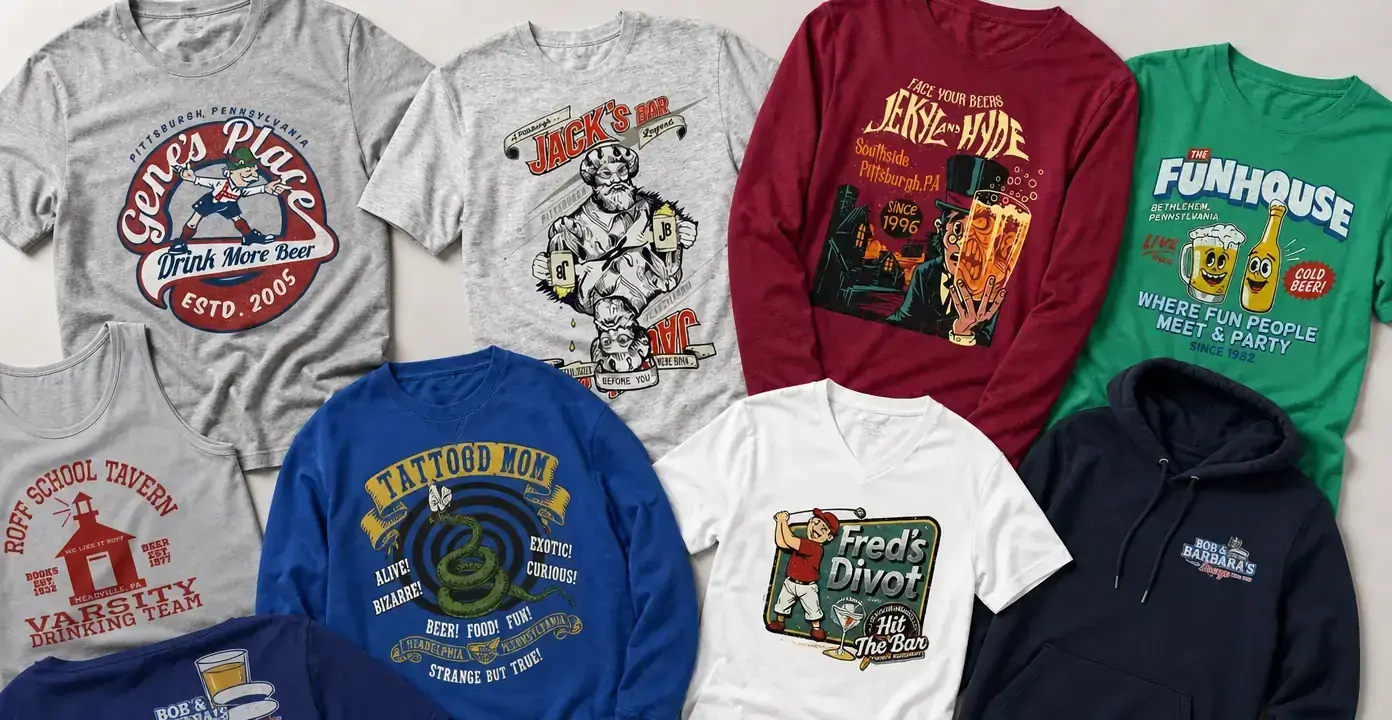
Pennsylvania dive bar shirts turn neighborhood watering holes into bold local emblems, with designs labeled for Philadelphia, Pittsburgh, Bethlehem, Meadville, and other communities across the state. The graphics range from restrained lounge logos to cartoon beer mascots, varsity-style tavern crests, oddball characters, and distressed pub lettering. Together, they offer several ways to browse Pennsylvania bar apparel by place, venue, and graphic style.
Pennsylvania Dive Bars
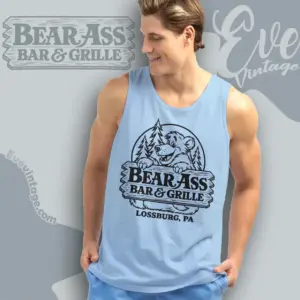
Lossburg Bear Ass Bar & Grille Shirt – Pennsylvania Dive Bar
Pennsylvania Dive Bars
Pennsylvania Dive Bars
Pennsylvania Dive Bars
Pennsylvania Dive Bars
Pennsylvania Dive Bars
Pennsylvania Dive Bars
Pennsylvania Dive Bars
Pennsylvania Dive Bars
Neighborhood bars as local graphic identity
Pennsylvania dive bar designs often function like wearable bar signs. A venue name takes the central position, while a city, neighborhood, house phrase, or drink reference supplies the surrounding detail. That structure gives even a simple composition a strong sense of place. Philadelphia and Pittsburgh appear prominently, while Bethlehem- and Meadville-labeled designs show how the same visual language can extend beyond the state’s two largest cities.
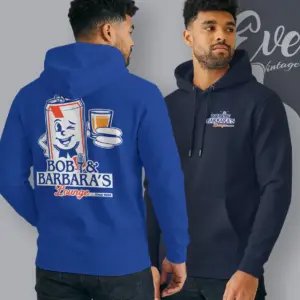
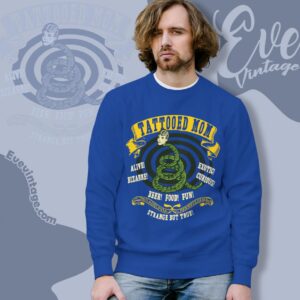
The Philadelphia selection includes shirts for Bob & Barbara’s Lounge and Tattooed Mom, both verified South Street establishments but represented through different aesthetics. Bob & Barbara’s artwork can emphasize a compact lounge logo and drink imagery for a restrained, locally branded look. Tattooed Mom artwork moves toward sideshow imagery, banners, saturated color, and deliberately strange characters. Their shared South Street association does not produce a shared style; each venue identity establishes its own tone.
Pittsburgh graphics and statewide variety
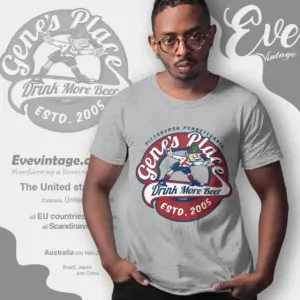
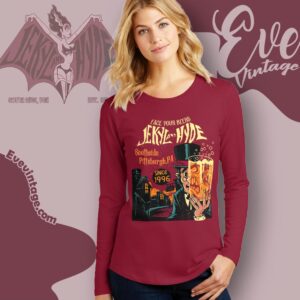
Pittsburgh-themed designs likewise range from straightforward local branding to elaborate illustration. Gene’s Place is associated with South Oakland, and its graphic treatment uses arched lettering, a cartoon figure, and a circular badge composition reminiscent of a vintage beer label. Other Pittsburgh-labeled artwork introduces darker humor, split identities, skulls, or exaggerated barroom characters. These motifs support a rougher novelty aesthetic without defining every Pittsburgh bar shirt the same way.
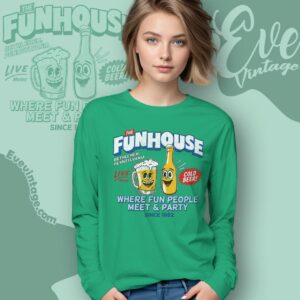
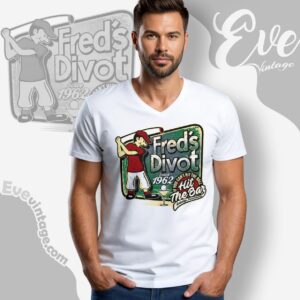
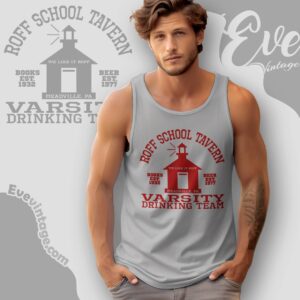
Elsewhere in the collection, tavern and pub graphics lean into distinct community identities. The Funhouse Pub artwork uses cheerful beer mascots and oversized lettering, while the Roff School Tavern design adopts a collegiate crest structure with a schoolhouse icon and varsity phrasing. Fred’s Divot turns bar branding into a golf joke. These examples show how Pennsylvania tavern and pub graphic tees can borrow from amusement signs, campus apparel, recreational clubs, and local advertising, including the tropical motifs associated with Pennsylvania tiki bar shirts, without following one fixed formula.
Choosing a graphic direction
For an understated look, focus on small chest marks, limited colors, and clean lounge lettering. Badge-shaped layouts and weathered type create a more traditional tavern-sign effect, especially when paired with beer glasses, bottles, or ribbon banners. Character-led designs are visually louder: cartoon drink mascots feel playful, while snakes, skulls, and surreal figures push toward punk, sideshow, or dark-comedy territory.
Place names provide another useful distinction. A city or neighborhood line makes the local association central, while a large venue name puts the bar identity first. Shoppers can therefore choose between subdued lounge branding, vintage-style bar graphics, and novelty beer artwork while still keeping the focus on an individual Pennsylvania venue or community.